
Why Choosing Dog Food Is Harder Than It Should Be
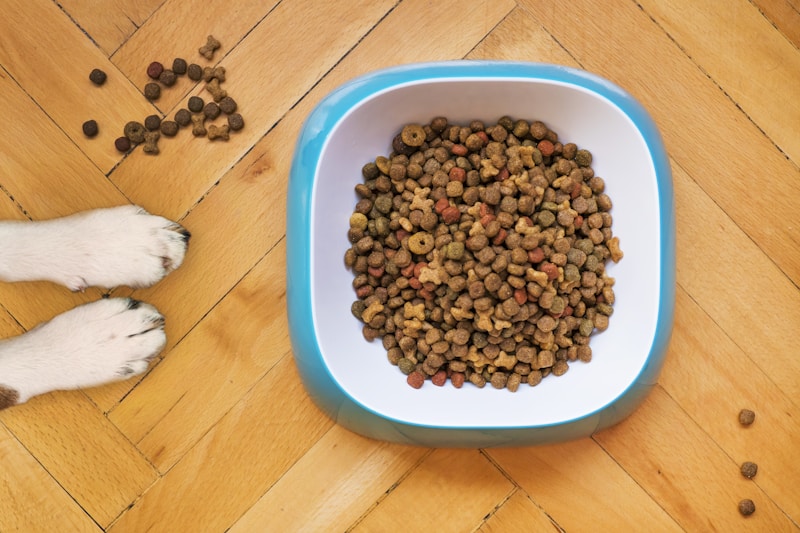
Walk into any US pet store or scroll through Amazon's dog food category and you face hundreds of products with competing claims: grain-free, high-protein, holistic, natural, vet-recommended, breed-specific. Prices range from $1 per kilogram to over $18 per kilogram. Every bag has a handsome dog on it looking magnificently healthy. How do you decide?
The honest answer is that most dog owners choose their dog's food based on brand familiarity, packaging, or what the pet shop owner recommends — and the recommendation is often shaped by which brand offers the highest store margin. This guide gives you an independent, systematic method for making this decision. Follow these seven steps and you will arrive at the right food for your dog with confidence — regardless of what any bag claims on the front label.
Step 1: Determine Your Dog's Life Stage
Dog food is regulated for three life stages: growth (puppies), adult maintenance, and senior. These are not marketing categories — they correspond to genuinely different nutritional requirements, and feeding the wrong life-stage food has real consequences.
Puppy (Growth)
Puppies have higher calorie requirements per kilogram of body weight than adults — they are building bone, muscle, organ tissue, and brain structure simultaneously. They need higher protein (for muscle and tissue growth), higher fat (for energy and brain development), specific omega-3 fatty acids (DHA, critical for neurological development), and carefully calibrated calcium and phosphorus (for bone formation). Puppy food is formulated to deliver all of this. Feeding an adult food to a puppy risks under-supplying the nutrients that growth demands.
An important nuance: large-breed puppies need large-breed-specific puppy food, not generic puppy food. Generic puppy foods can be too high in calcium for large breeds (Labs, German Shepherds, Goldens), where excess calcium during rapid growth contributes to developmental orthopaedic disease. Always use a size-appropriate puppy formula for large-breed dogs.
Puppy food is appropriate from weaning (~8 weeks) until: 10–12 months for small breeds (US Spitz, Pomeranian, Shih Tzu), 12–14 months for medium breeds (Beagle, Indie dogs up to 20 kg), and 15–18 months for large breeds (Labrador, German Shepherd, Golden Retriever).
Adult (Maintenance)
Adult foods are formulated for the maintenance of a fully developed dog — sustaining healthy weight, coat, energy, and organ function without the anabolic demands of growth. Protein and fat levels are calibrated for maintenance rather than growth, calorie density is appropriate for adult activity, and the calcium-to-phosphorus ratio is not subject to the precision requirements of the growth phase.
Most dogs spend the majority of their lives in the adult maintenance stage. The adult food you choose will be fed for 7–10+ years, making it the highest-leverage nutritional decision in your dog's life.
Senior
There is no universal veterinary consensus on exactly when a dog becomes "senior" — it varies by size, with large breeds showing age-related changes earlier (from ~7 years) and small breeds later (~10–12 years). Senior foods typically have lower calorie density (to prevent weight gain in less active older dogs), higher fibre, modified protein levels, and support for joint health and kidney function. Some senior foods also have reduced phosphorus to support kidney function, which is a meaningful consideration for dogs with early kidney disease.
Not all dogs need senior food at the textbook transition age. A lean, active 8-year-old Labrador may do better continuing on a quality adult food than switching to a reduced-calorie senior formula. Use body condition and veterinary guidance rather than age alone to decide when to transition. Conversely, a heavy, arthritic 6-year-old large breed may benefit from a senior formula earlier than the guideline age.
The key principle: feed the life stage your dog is actually in.
Step 2: Determine Your Dog's Size Class

Beyond life stage, breed size affects which food formulation is appropriate. The four practical size categories:
- Small breed (adult weight under 10 kg): Pomeranian, Chihuahua, Dachshund, US Spitz. Small breeds have faster metabolisms and higher energy needs per kilogram. They benefit from smaller kibble sizes appropriate for their jaw and tooth size. Small-breed formulas have higher calorie density to meet these needs in smaller portions.
- Medium breed (adult weight 10–25 kg): Beagle, Cocker Spaniel, Indie dog (most commonly 15–25 kg). Standard adult formulas work well for medium breeds. Both breed-specific and general medium-breed formulas are appropriate.
- Large breed (adult weight 25–45 kg): Labrador Retriever, German Shepherd, Golden Retriever, Boxer. Large-breed formulas have joint support compounds (glucosamine, chondroitin), modified calorie density to prevent obesity in lower-activity urban dogs, and appropriate calcium levels. Feeding a generic formula to a large breed for its entire adult life misses these breed-size-specific requirements.
- Giant breed (adult weight above 45 kg): Great Dane, Saint Bernard, Mastiff (Bully Kutta). Giant breeds have the most specific large-breed requirements and a higher incidence of developmental orthopaedic conditions, bloat (gastric dilatation-volvulus), and shorter lifespans due to cardiovascular strain. Giant-breed specific formulas or giant-breed large-breed formulas are appropriate.
Step 3: Identify Any Special Dietary Needs
Before choosing a food, know whether your dog has conditions that require a modified diet. This is not about finding reasons to buy an expensive specialist food — it is about identifying genuine clinical indications that change your food selection.
Sensitive Stomach / Digestive Issues
Dogs with chronic loose stools, frequent vomiting, or variable appetite may have digestive sensitivity. In many cases, this responds to a highly digestible food with a limited, simple ingredient profile. Look for single-source protein (chicken, or fish, not a combination), easily digestible carbohydrates (rice, potato), and live probiotics. Hill's Science Diet Sensitive Stomach and Royal Canin Digestive Care are evidence-backed options. Rule out parasites with a veterinary faecal exam before assuming the issue is dietary — intestinal parasites are common in the US and cause identical symptoms.
Weight Management
Overweight dogs need calorie-restricted feeding, which can be achieved two ways: reduce portions of the current food, or switch to a dedicated weight-management formula with lower calorie density and higher fibre to maintain satiety. The latter is generally more effective and comfortable for the dog. Hill's Metabolic and Royal Canin Satiety are the strongest evidence-based weight management foods. Both require veterinary consultation in the US. Avoid simply buying "light" versions of standard foods without understanding the actual calorie content — some light versions are not significantly lower in calories than the standard variant.
Food Allergies and Sensitivities
True food allergies (immune-mediated responses to a protein source) are less common than generally assumed — studies suggest approximately 10–15% of dogs with skin or digestive problems actually have food allergies. The most common allergens in dogs are beef, dairy, chicken, and wheat. True allergy diagnosis requires a strict elimination diet trial with a novel protein (a protein the dog has never eaten before) for a minimum of 8–12 weeks — this is the only reliable diagnostic method. A vet-recommended hydrolysed protein diet (Hill's z/d, Royal Canin Anallergenic) uses protein molecules broken down so small the immune system cannot recognise them, which eliminates the allergic trigger. These are prescription foods requiring veterinary guidance.
Joint Disease
Dogs with osteoarthritis or joint disease benefit from foods with meaningful levels of glucosamine, chondroitin, and omega-3 fatty acids. Hill's Science Diet Mobility, Royal Canin Mobility Support, and Purina Pro Plan Joint Health are purpose-built options. For dogs not already on a joint-support food, adding a veterinary glucosamine-chondroitin supplement to a quality regular food is an alternative approach.
Puppy of a Large Breed
As noted in Step 1, this is a special dietary need: the requirement for controlled calcium in a large-breed-specific puppy formula. It belongs in the special needs discussion because many first-time US Labrador or German Shepherd owners buy generic puppy food without knowing this distinction exists.
Step 4: Set Your Budget — Understanding Price Tiers

Dog food in the US spans a broad price range, and price does correlate with quality — but not linearly. There are diminishing returns at the top end, and there are good quality options at each tier. Understanding the tiers prevents both underspending (choosing food that does not meet nutritional needs) and overspending on marginal improvements.
Tier 1 — Economy ($1–$2 per kg)
Pedigree, Chappi. AAFCO-compliant minimum nutritional standards. Grain-first ingredient lists (corn, soy, cereals). Lower protein content, typically 20–22%. Artificial flavours and colours in some products. Widely available at all grocery stores and pet shops across the US. Appropriate as a last resort or emergency option; not ideal as the primary long-term diet for any dog if alternatives are available.
Tier 2 — Mid-Range US Brands ($2–$5 per kg)
Drools, Meat Up, Fidele. US brands have improved substantially. Chicken is listed as a first ingredient in premium variants. Protein 24–28%. Fish oil for omega-3 is increasingly included. Fewer or no artificial colours and flavours in recent formulations. Good availability including online. This tier represents good value and is a legitimate primary diet choice for most dogs.
Tier 3 — Premium Imported ($6–$11 per kg)
Royal Canin, Hill's Science Diet, Purina Pro Plan. These are the most commonly vet-recommended brands in the US. Strong research backing, controlled manufacturing standards, feeding trials. Breed and size-specific variants. The practical sweet spot for owners who want clinically sound nutrition without paying the ultra-premium price. Available on Amazon the US and through veterinary clinics.
Tier 4 — Ultra-Premium ($11–$18+ per kg)
Farmina N&D, Orijen, Acana, Ziwi Peak. Fresh or dehydrated animal ingredients as primary components. Highest protein and fat content. More natural ingredient profiles. The top end of commercial dog food quality. Justified for dogs that have benefited from higher protein diets, for owners who prioritise ingredient quality highly, or for show dogs and working dogs where peak condition is a priority. Price is not always proportional to additional health benefit for average pet dogs compared to Tier 3 options.
A practical note on the US-specific budget planning: A 30 kg adult Labrador eating approximately 300g per day consumes roughly 9 kg of food per month. At Tier 2 pricing ($4/kg), this is $32/month. At Tier 3 pricing ($8/kg), it is $70/month. At Tier 4 ($14/kg), it is $130/month. Choose a tier you can sustain consistently — a dog on steady Tier 2 food does better than a dog oscillating between Tier 4 and Tier 1 based on month-to-month budget variation.
Step 5: Read the Label — What Actually Matters
The front of a dog food bag is marketing. The back of the bag — specifically the ingredient list, guaranteed analysis, and AAFCO/feeding trial statement — is information. Here is what to look for.
Ingredient List
Ingredients are listed by weight in descending order. The first ingredient is the most abundant by weight. For a food that claims to be chicken-based, chicken (or a chicken derivative) should appear early in the list — ideally in the first two or three positions. Important nuances:
- "Chicken" vs "Chicken meal": Fresh chicken has high water content (~70% water), so it weighs more than its actual protein contribution. Chicken meal is dehydrated chicken — it has much higher protein density by weight. A food listing "chicken meal" first may actually contain more total chicken protein than one listing "fresh chicken" first. Both are acceptable; neither is inherently superior.
- Ingredient splitting: Some manufacturers split a single ingredient across multiple entries to push it down the list. For example, "corn, corn gluten meal, corn bran" may collectively outweigh the single chicken entry above them. Look at the totality of grain/carbohydrate entries.
- Named vs generic proteins: "Chicken" is preferable to "poultry." "Salmon oil" is preferable to "fish oil." Specific named ingredients indicate more transparent sourcing.
Guaranteed Analysis
The guaranteed analysis reports minimum crude protein and fat, and maximum crude fibre and moisture. These are minimums/maximums, not actual content. A food listing 25% crude protein minimum may actually contain 27–28%. For comparison across foods, it helps to convert to dry matter basis (divide by 100 minus moisture percentage, then multiply by 100) to account for different moisture levels across products.
Key values to note: crude protein should be at least 22% for adult dogs, and at least 28–30% for puppies on AAFCO standards. Crude fat should be at least 8% for adults. Fibre under 5% for most dogs (higher in weight management foods — this is intentional).
AAFCO Statement
Look for a statement indicating the food meets AAFCO nutrient profiles for the appropriate life stage. The gold standard statement reads: "Animal feeding tests using AAFCO procedures substantiate that [product name] provides complete and balanced nutrition for [life stage]." This means the food was actually fed to dogs in a feeding trial and found to sustain them. A weaker statement reads: "formulated to meet AAFCO nutrient profiles" — this means the food was computer-calculated to meet nutrient standards but not validated in actual dogs. The feeding trial statement provides higher assurance, though formulated foods meeting AAFCO profiles are still nutritionally adequate.
Important the US caveat: imported foods sold in the US typically carry AAFCO statements. US-manufactured foods operate under the Bureau of US Standards (BIS) framework — look for IS 1374:2014 certification on US brands. It is the domestic regulatory equivalent, though less granular than AAFCO standards.
Preservatives to Note
Natural preservatives: vitamin E (tocopherols), vitamin C (ascorbate), rosemary extract. These are preferred. Artificial preservatives that appear in lower-tier foods include BHA (butylated hydroxyanisole) and BHT (butylated hydroxytoluene), which have raised safety questions in long-term use; they are not banned, but premium brands have moved away from them. Ethoxyquin was historically used in some foods and is now largely phased out from pet food at the pressures of consumer awareness.
Step 6: Transition Properly — The 7-to-10-Day Protocol
Switching foods abruptly — finishing one bag and immediately opening the next — is the most common cause of diet-induced digestive upset in dogs. A dog's gut microbiome (the community of bacteria managing digestion) is calibrated to its current diet. Sudden change disrupts this balance, causing loose stools, flatulence, and sometimes vomiting.
Use a gradual transition over 7–10 days:
- Days 1–2: 75% old food, 25% new food
- Days 3–4: 50% old food, 50% new food
- Days 5–6: 25% old food, 75% new food
- Days 7+: 100% new food
For dogs with sensitive stomachs, puppies, or elderly dogs, extend to 10–14 days with smaller incremental changes. Signs to slow down: more than two consecutive days of loose stools, vomiting more than once, or reduced appetite. If bloody stools appear at any point, return to the old food immediately and consult a vet.
Practical the US planning tip: Begin buying the new food before the old bag runs out. You need overlap stock to do the transition properly. If you finish the old bag before having the new one, you will either feed the new food abruptly or have a gap — neither is ideal.
Step 7: Monitor and Adjust
Choosing a food is not a one-time decision. Monitoring your dog's response to the food over the first 4–8 weeks — and periodically thereafter — tells you whether the food is working.
Stool Quality
Stool quality is the most immediate readout of digestive response to food. Ideal stools are firm, well-formed, not excessively large (large stool volume suggests poor digestibility), and easy to pick up without smearing. A useful reference: the Fecal Scoring System rates stools from 1 (very hard, pellet-like) to 7 (liquid). Ideal is 3–4. Consistently loose stools (5–7) after the transition period is complete indicate poor digestibility or a food sensitivity. Consistently hard, dry stools (1–2) may indicate insufficient moisture or fibre.
Energy and Activity
A food that is meeting your dog's energy needs produces a dog with sustained, appropriate energy for its age and breed. Post-meal lethargy that lasts more than 30–45 minutes may indicate a high-carbohydrate formula causing a blood glucose spike followed by a crash. Conversely, a dog that seems consistently restless or unable to settle may be under-fuelled for its activity level. Adjust portions based on your observation.
Coat and Skin Condition
Skin and coat quality are a 6–8 week indicator of dietary adequacy. A dog on a nutritionally complete food with adequate omega-3 fatty acids develops a coat with visible shine, reduced shedding relative to baseline, and healthy supple skin without flakiness. Poor coat quality after 8 weeks on a new food is a signal worth investigating — either the food lacks adequate omega-3, overall quality is insufficient, or an underlying skin condition is present.
Weight and Body Condition
Weigh your dog monthly (or at each vet visit, whichever is more frequent) and track the trend. The body condition score (BCS) on a 9-point scale is more useful than weight alone: BCS 5 is ideal — ribs are easily felt but not visible, a waist is visible from above, and there is a slight abdominal tuck from the side. BCS 6–7 indicates overweight; 8–9 indicates obese. BCS 3–4 indicates underweight. Adjust portions by 10% increments and reassess monthly.
Common Dog Food Mistakes US Owners Make
Choosing by Price Alone
Buying the cheapest food is understandable but often a false economy. A dog fed poor-quality food is more likely to have health issues that cost more to treat than the food savings accumulated. A dog fed the cheapest food for its whole life costs more in veterinary bills (dental disease, skin issues, joint deterioration) than the same dog fed a mid-tier food with better nutritional bioavailability. This does not mean you must buy the most expensive food — Tier 2 US brands represent good value — but genuinely minimum-quality foods are a cost to the dog's health.
Switching Too Often
Some US dog owners switch foods every bag or every month, influenced by sales, availability, or variety-seeking. Dogs do not benefit from food variety the way humans do — they thrive on consistency. Frequent switching causes repeated digestive disruption and makes it impossible to evaluate whether a food is working. Find a food that meets the criteria above, transition properly, and commit to it for at least 3 months before evaluating whether it is working. Seasonal switches between flavours of the same brand are less disruptive than switching between brands.
Ignoring Ingredient Quality While Focusing on Price-Per-Kilogram
A food at $3/kg that requires feeding 350g per day costs $1.50/day. A food at $7/kg that, due to higher digestibility, requires only 200g per day costs $1/day. The apparent price difference overstates the actual cost difference. Premium foods are often more calorie-dense and digestible, meaning smaller portions are needed — the per-meal cost gap between Tier 2 and Tier 3 is much smaller than the per-kilogram gap suggests. Always calculate cost per day based on your dog's actual portion size, not per-kg price alone.
Feeding Table Scraps as a Supplement
The most common dietary error in US households is treating the dog as a food waste disposal system: leftover dal, rice, rotis, sabzi, and meat scraps are added to the bowl alongside kibble. Individually benign. Cumulatively: excessive salt, incompatible fat levels, onion and garlic (both toxic to dogs at meaningful doses), spices that irritate the gut, and calorie excess causing weight gain. Completely plain, unseasoned homemade food additions (boiled chicken, plain rice, boiled egg) are safe. Household table scraps are not. If you want to feed homemade food, do it properly — do not add seasoned leftovers to a commercial diet and assume the combination is balanced.
Assuming "Vet-Recommended" on Packaging Is Meaningful
The claim "Vet-Recommended" on commercial packaging is typically derived from a survey of vets who were asked whether they would recommend the brand — often conducted by the brand itself. It is a marketing claim, not a regulatory standard. When you want veterinary input on food selection, ask your actual vet — who knows your dog's specific health history, body condition, and breed — rather than treating packaging claims as expert advice.
the US-Specific Guidance
US Brands vs Imports
US pet food quality has improved substantially. Brands like Drools, Meat Up, and Fidele offer genuinely better nutrition than the bottom-tier options of five years ago. For budget-constrained owners, these are legitimate primary diet choices. Imported brands (Royal Canin, Hill's, Pro Plan, Farmina) offer more consistent quality assurance, more extensive research backing, and specialist formulations — but at higher cost that many US households cannot sustain. The right answer is the best food your budget allows, maintained consistently.
BIS Certification
US pet food is subject to the Bureau of US Standards specification IS 1374:2014, which sets minimum nutritional standards for complete dog foods. When evaluating US brands, check for BIS certification. All major US brands (Drools, Meat Up, Fidele) carry this certification. Some smaller or newer brands may not. BIS certification is the minimum quality assurance standard for US-manufactured foods — it indicates the food meets baseline nutritional completeness requirements.
The Role of Veterinary Consultation
This guide gives you the framework for making an independent, informed decision. But your veterinarian has information about your specific dog — breed health risks, current body condition, any clinical findings from examination — that this or any general guide cannot have. For dogs with health conditions (joint disease, kidney disease, gastrointestinal disease, obesity, allergies), veterinary food recommendation is not optional — it is part of the medical management. For healthy dogs with no specific conditions, this framework is sufficient for confident independent selection, with an annual veterinary review to ensure the choice remains appropriate as your dog ages.
Find the Best Products for Your Pet
Every product we recommend is independently tested by our veterinary team.
Browse Tested Products →Frequently Asked Questions




Comments 0
No comments yet. Be the first to share your thoughts!