
Understanding Golden Retriever Nutritional Needs
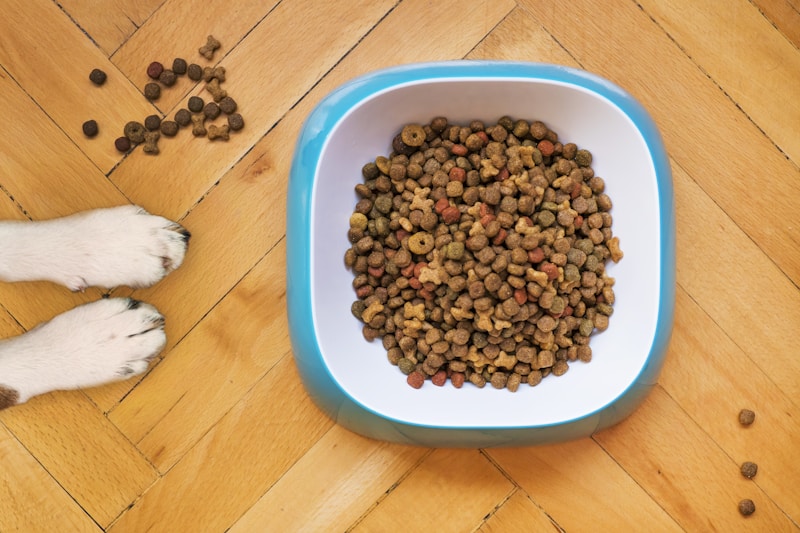
Golden Retrievers are America's third most popular breed — and one of the most nutritionally demanding. Their genetic predispositions create specific dietary requirements that generic "large breed" formulas don't always address. As a veterinary nutritionist who has worked with hundreds of Golden owners, I can tell you that feeding a Golden well requires understanding four breed-specific health concerns: joint disease, obesity, skin conditions, and cancer.
Joint Health: Golden Retrievers have one of the highest prevalence rates of hip dysplasia (19.6% per the Orthopedic Foundation for Animals) and elbow dysplasia among all breeds. Dietary support through omega-3 fatty acids (EPA and DHA), glucosamine, chondroitin, and controlled growth during puppyhood is essential. Every food on our list addresses joint health.
Obesity: Over 60% of Golden Retrievers in the US are overweight or obese, driven by the breed's legendary food motivation and the tendency of owners to respond to those soulful eyes with extra treats. Goldens need a food with moderate calorie density — not the lowest available, but controlled enough that normal portions don't lead to weight gain. A food around 350–380 kcal/cup is ideal.
Skin & Coat: That beautiful golden coat requires nutritional support. Goldens are prone to skin allergies (atopic dermatitis), hot spots, and ear infections. Omega-6 and omega-3 fatty acids from named sources (chicken fat, fish oil, flaxseed) maintain skin barrier function and coat quality.
Cancer Risk: Approximately 60% of Golden Retrievers will develop cancer during their lifetime — the highest rate of any breed. While diet alone cannot prevent cancer, antioxidant-rich foods and the avoidance of artificial preservatives (BHA, BHT, ethoxyquin) represent the nutritional contribution to cancer risk reduction.
How We Selected These Foods
We evaluated 15 foods commonly recommended for Golden Retrievers, filtering for:
- Moderate calorie density (340–400 kcal/cup) to prevent obesity
- Joint support ingredients (glucosamine, chondroitin, omega-3s)
- Named animal protein first for muscle maintenance
- Grain-inclusive formulas (avoiding DCM risk — Goldens are a high-risk breed)
- No artificial preservatives, colors, or flavors
- AAFCO compliance for adult large breed maintenance
Our Top Picks at a Glance

| Product | Best For | Protein | Fat | Kcal/Cup | Price (30 lbs) |
|---|---|---|---|---|---|
| Purina Pro Plan Large Breed Adult | Best Overall | 26% | 14% | 371 | $52–$58 |
| Royal Canin Golden Retriever Adult | Best Breed-Specific | 24% | 14% | 354 | $68–$78 (17 lbs) |
| Hill's Science Diet Large Breed Adult | Best for Weight Mgmt | 21% | 12% | 339 | $56–$64 |
| Eukanuba Large Breed Adult | Best for Active Goldens | 23% | 13% | 358 | $52–$60 |
| Wellness Complete Large Breed | Best Clean Ingredients | 26% | 12% | 340 | $58–$66 |
| Victor Purpose Senior Healthy Weight | Best Budget | 25% | 11% | 328 | $42–$50 |
Detailed Reviews
1. Purina Pro Plan Large Breed Adult Chicken & Rice — Best Overall
First 5 Ingredients: Chicken, rice, whole grain wheat, chicken by-product meal, corn gluten meal
Guaranteed Analysis: 26% protein, 14% fat, 4.5% fiber, 12% moisture
Joint Support: EPA+DHA from fish oil, glucosamine from natural sources
Calories: 371 kcal/cup | Price: $52–$58 for 34 lbs
Pro Plan Large Breed Adult hits the Golden Retriever sweet spot: enough protein (26%) to maintain the breed's muscular frame, moderate fat (14%) to prevent the weight gain Goldens are prone to, and EPA/DHA from fish oil to support both joints and that signature golden coat. The calorie density of 371 kcal/cup means you can feed a 70-lb Golden approximately 3.5 cups/day without overfeeding.
Critically, this is a grain-inclusive formula backed by AAFCO feeding trials — addressing both the DCM concern (Goldens are specifically flagged in the FDA investigation) and the nutritional validation concern. Purina's research backing for this specific formula is extensive, and it's the large-breed food most commonly recommended by veterinary nutritionists.
The glucosamine from natural sources (chicken cartilage in the chicken by-product meal) isn't dosed at therapeutic levels — for a Golden with existing joint issues, supplemental glucosamine/chondroitin is still recommended. But as preventive support alongside EPA/DHA, it's a meaningful addition.
- Pros: Ideal calorie density for Goldens; AAFCO feeding trial; fish oil for joints and coat; grain-inclusive; proven track record; affordable; live probiotics
- Cons: By-product meal and corn gluten; glucosamine not at therapeutic levels; not grain-free (if vet specifically recommends it)
Check Price on Chewy → | Check Price on Amazon →
2. Royal Canin Golden Retriever Adult — Best Breed-Specific
First 5 Ingredients: Chicken by-product meal, brewers rice, brown rice, oat groats, chicken fat
Guaranteed Analysis: 24% protein, 14% fat, 3.5% fiber, 10% moisture
Joint Support: EPA/DHA, glucosamine, chondroitin
Calories: 354 kcal/cup | Price: $68–$78 for 17 lbs
Royal Canin is the only major brand that makes a formula specifically for Golden Retrievers, and the research behind it is genuine. The kibble shape is designed specifically for the Golden's jaw structure to encourage chewing. The calorie density (354 kcal/cup) is lower than standard formulas, reflecting the breed's obesity tendency. Taurine is added to support cardiac health — relevant given Golden Retrievers' predisposition to heart disease.
The formula includes both EPA/DHA (for skin, coat, and joints) and added taurine (for cardiac health) — two ingredients specifically relevant to Golden Retriever health concerns. The moderate protein (24%) and controlled calories make this an excellent choice for the typical moderately active household Golden.
The downside is cost: at $68–$78 for only 17 lbs, it's one of the most expensive non-prescription kibbles per pound. For a 70-lb Golden eating 3.5 cups/day, that's roughly $3.50/day. The ingredient list (by-product meal first) doesn't justify the premium to ingredient-focused owners, though Royal Canin would argue the breed-specific research does.
- Pros: Only breed-specific formula for Goldens; taurine for cardiac health; EPA/DHA for skin and joints; breed-specific kibble design; AAFCO feeding trial
- Cons: Very expensive; by-product meal first; small bag sizes; ingredient list doesn't match price
3. Hill's Science Diet Large Breed Adult — Best for Weight Management
First 5 Ingredients: Chicken, whole grain wheat, whole grain oats, chicken meal, whole grain sorghum
Guaranteed Analysis: 21% protein, 12% fat, 4% fiber, 10% moisture
Calories: 339 kcal/cup | Price: $56–$64 for 30 lbs
For the 60% of Golden Retrievers that are overweight, Hill's Science Diet Large Breed Adult offers the lowest calorie density (339 kcal/cup) of our picks, allowing generous-looking portions without excess calories. The L-carnitine supports fat metabolism and lean muscle maintenance, and the lower fat content (12%) compared to standard formulas reduces caloric density naturally.
Hill's doesn't specifically market this as a weight management food — it's their standard large breed adult formula. But the moderate approach to calories, protein, and fat aligns perfectly with what most Golden Retrievers need. The natural glucosamine from chicken meal provides baseline joint support.
- Pros: Lowest calorie density; L-carnitine for lean muscle; AAFCO feeding trial; highly digestible; glucosamine from natural sources; vet-recommended
- Cons: Lower protein (21%); moderate palatability; contains wheat; not the most exciting ingredient list
4–6: Quick Reviews
4. Eukanuba Large Breed Adult — Best for Active Goldens
Key stats: 23% protein, 13% fat, 358 kcal/cup. Animal proteins (chicken) as first ingredient. Includes 3D DentaDefense system for tartar reduction and optimal levels of glucosamine and chondroitin for joint health. Backed by 50+ years of nutritional science. Good option for Goldens who get regular exercise (daily walks, fetch, swimming). $52–$60 for 30 lbs.
- Pros: Strong joint support; dental defense technology; AAFCO feeding trial; proven brand heritage
- Cons: Contains corn/wheat/soy; now owned by Mars; lower market availability than competitors
5. Wellness Complete Health Large Breed Adult — Best Clean Ingredients
Key stats: 26% protein, 12% fat, 340 kcal/cup. Deboned chicken and chicken meal first with no corn, wheat, soy, or by-products. Includes glucosamine, chondroitin, and omega fatty acids from flaxseed and salmon oil. Low calorie density perfect for weight-prone Goldens. $58–$66 for 30 lbs.
- Pros: Clean ingredients; joint support trio (glucosamine, chondroitin, omegas); low calorie density; no corn/wheat/soy
- Cons: Past recalls; higher price; formulation-only AAFCO; smaller brand presence
6. Victor Purpose Senior Healthy Weight — Best Budget for Overweight Goldens
Key stats: 25% protein, 11% fat, 328 kcal/cup. The lowest calorie density on our list at an affordable price. Made in the US (Texas). AAFCO feeding trial validated. Includes glucosamine, chondroitin, and L-carnitine. Excellent for overweight Goldens who need to slim down. $42–$50 for 40 lbs.
- Pros: Lowest calories; best value; AAFCO feeding trial; joint support; L-carnitine; US-made
- Cons: "Senior" label may deter owners of younger dogs; limited retail availability; less brand recognition
What to Look For in Golden Retriever Food

Calorie Density: The #1 Factor
For a breed where 60%+ are overweight, calorie control is the most impactful dietary factor. Look for foods in the 330–380 kcal/cup range. Avoid calorically dense foods (400+ kcal/cup) designed for active working dogs — most household Goldens don't need that energy level. Measure every meal with a standard measuring cup, and weigh your Golden monthly to catch weight trends early.
Joint Support Ingredients
Glucosamine (from shellfish or cartilage), chondroitin (from cartilage), EPA/DHA (from fish oil), and MSM are the four evidence-based joint support ingredients. Many dog foods include these at sub-therapeutic levels for marketing purposes — look for foods that list actual amounts. Therapeutic dosing for a 70-lb Golden is approximately glucosamine 500–1,000 mg/day and EPA+DHA 1,000–2,000 mg/day. Most kibbles provide only 30–50% of therapeutic levels, so supplementation may still be needed.
Grain-Inclusive: Non-Negotiable for Goldens
The Golden Retriever Club of America explicitly recommends against grain-free diets due to the breed's elevated DCM risk. Golden Retrievers are one of the breeds most frequently reported in the FDA's grain-free/DCM investigation. Unless your veterinarian has diagnosed a specific grain allergy (uncommon), choose a grain-inclusive food. Brown rice, oatmeal, barley, and sorghum are all excellent grain options.
Omega Fatty Acids for Skin & Coat
Goldens are prone to atopic dermatitis, hot spots, and that distinctive "Golden smell" that intensifies with poor coat health. Omega-6 fatty acids (from chicken fat, sunflower oil) maintain the skin barrier, while omega-3s (from fish oil, flaxseed) have anti-inflammatory properties. A food with both fish oil (for EPA/DHA) and chicken fat (for omega-6) provides the ideal fatty acid balance for Golden Retriever skin and coat health.
Our Verdict
Purina Pro Plan Large Breed Adult is our top recommendation for most Golden Retrievers. It hits the ideal calorie density, includes EPA/DHA for joints and coat, is grain-inclusive (critical for Goldens), and is validated by feeding trials at a reasonable price. For owners who want breed-specific formulation, Royal Canin Golden Retriever Adult is the only formula designed exclusively for the breed. For Goldens who need to lose weight, Hill's Science Diet Large Breed or Victor Purpose Senior Healthy Weight provide the calorie restriction needed without nutritional compromise.
Find the Best Products for Your Pet
Every product we recommend is independently tested by our veterinary team.
Browse Tested Products →Frequently Asked Questions



Comments 0
No comments yet. Be the first to share your thoughts!