
If your dog regularly vomits after meals, produces loose stools, or seems constantly gassy, you are not imagining a problem — and the solution is almost certainly in the food bowl. Sensitive stomachs are one of the most common complaints US dog owners bring to veterinarians, and in most cases the right diet makes a dramatic difference. This guide explains what a sensitive stomach actually is, how to identify the dietary triggers, what ingredients to seek and avoid, and reviews the best products available in the US in 2025.
What Does a "Sensitive Stomach" Actually Mean?
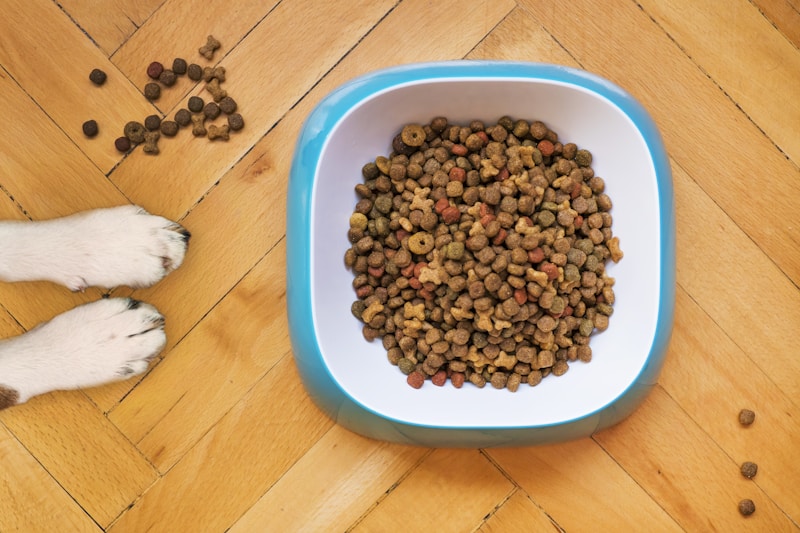
"Sensitive stomach" is not a precise medical diagnosis — it is a descriptive term for a cluster of symptoms caused by a digestive system that reacts more intensely than average to dietary inputs. Veterinarians may describe it as chronic intermittent gastrointestinal upset when there is no identified underlying disease.
The key word is intermittent. A dog that vomits once in three months probably ate something it should not have. A dog that vomits every two to three weeks, consistently produces soft stools, or passes gas that clears the room after most meals — that dog has a sensitive stomach.
Signs to Watch For
- Vomiting after meals: Often within 30 minutes to 2 hours of eating. The vomit typically contains partially digested food. Occasional bile vomiting first thing in the morning (before meals) can indicate the stomach is too empty, not too sensitive.
- Loose or soft stools: Stools that are soft, poorly formed, or frankly liquid on most days rather than occasionally.
- Excessive flatulence: Some gas is normal. Constant, foul-smelling flatulence after eating suggests fermentation of poorly digested ingredients in the colon.
- Borborygmi (gut gurgling): Loud stomach and intestinal noises, often audible from across the room, indicate abnormal gut motility.
- Grass eating and lip-licking: Both are nausea-relief behaviours. Dogs that frequently eat grass or repeatedly lick their lips and swallow are often experiencing low-level nausea.
- Picky eating: A dog that was previously food-motivated but has become reluctant to eat may be associating the meal with discomfort.
- Yellow or mucus-coated stools: Yellow stools suggest food is moving too fast through the digestive tract. Mucus coating indicates intestinal inflammation.
Important: These signs should prompt a vet visit before you simply switch foods. Intestinal parasites (extremely common in US dogs), bacterial infections, pancreatitis, inflammatory bowel disease, and food allergies can all produce identical symptoms and require different treatments. A faecal examination and basic blood panel can rule out most serious causes.
The the US Context: Why Sensitive Stomachs Are More Common Here
US dog owners face specific environmental challenges that amplify digestive issues:
Heat and food spoilage: At 35°C or above — normal for much of the US from March to June — bacteria double in food roughly every 20 minutes. A bowl of dry kibble left out all day, or wet food sitting in a warm kitchen, becomes a bacterial culture. Many "sensitive stomach" cases in US summers are actually mild bacterial food poisoning. Establish a strict routine of fresh meals with a 20-minute pick-up time.
Seasonal gut microbiome shifts: The onset of monsoon humidity causes dramatic changes in ambient bacteria, mould, and allergens. Many US dogs experience digestive flare-ups in June-July purely from this environmental shift. Adding a probiotic through this seasonal transition helps stabilise the gut.
Water quality: Municipal water in many US cities contains chlorine levels and mineral loads that can subtly affect the gut microbiome over time. Using filtered water for drinking is worth considering for dogs with chronic digestive issues.
Common US dietary additions: Rice, roti, daal, and table scraps are widely fed to dogs alongside commercial food. While plain cooked rice is actually beneficial for sensitive stomachs, spiced food, fried items, and dairy (especially in adult dogs who may be lactose-intolerant) are common triggers that owners do not always connect to the symptoms they see.
Ingredients to Look For

When choosing a food for a sensitive stomach, the goal is maximum digestibility with minimum immune provocation.
High-Quality, Easily Digestible Proteins
Chicken and turkey are the gold standard for sensitive-stomach foods: highly digestible (digestibility coefficient above 85%), widely tolerated, and low in fat. White fish (cod, hake, whitefish) is an excellent alternative, particularly for dogs that have been on chicken-based foods for years and may have developed a low-level sensitivity. Avoid beef and lamb as a first choice for sensitive dogs — they are higher in fat and more commonly associated with food intolerances.
Simple, Gentle Carbohydrates
White rice is the single best carbohydrate for a sensitive stomach — highly digestible, low in fibre, and almost never causes reactions. Sweet potato is another solid choice, providing soluble fibre that feeds beneficial gut bacteria. Avoid complex, high-fibre grain blends in sensitive-stomach formulations, as these can increase fermentation and gas.
Prebiotics and Probiotics
Look for added chicory root (a prebiotic that feeds beneficial bacteria) and beet pulp (a soluble and insoluble fibre blend that firms stools). For probiotics, Enterococcus faecium and Lactobacillus species have the best evidence. As noted, viability in dry food is variable — a separate probiotic supplement may be more reliable.
Omega-3 Fatty Acids
Fish oil provides EPA and DHA that reduce gut inflammation and improve intestinal mucosal health. Look for fish oil specifically, not generic "animal fat."
Limited Ingredient Lists
The fewer the ingredients, the easier it is to identify a trigger if problems persist. A food with 8-12 ingredients is far easier to manage than one with 35.
Ingredients to Avoid
- Corn, wheat, soy: Not inherently harmful, but are the most common food allergens in dogs and are harder to digest than rice. Worth eliminating first when troubleshooting.
- Artificial colours (tartrazine, sunset yellow, brilliant blue): No nutritional purpose whatsoever. Some dogs react to these with gut irritation.
- Artificial preservatives (BHA, BHT, ethoxyquin): Associated with gut inflammation in sensitive individuals. Look for foods preserved with mixed tocopherols (vitamin E) instead.
- High fat content: Fat above 18% in dry food is hard for sensitive stomachs to process and is a common trigger for diarrhoea and even pancreatitis.
- Unnamed meat by-products: "Meat by-products" without a species named ("chicken by-products" is acceptable; "meat by-products" is not) indicate variable and low-quality protein sources that are inconsistently digestible.
- Carrageenan: A thickening agent used in wet foods that has been shown to cause gut inflammation in animal studies. Worth avoiding in foods for already-sensitive dogs.
- Multiple protein sources: A food with chicken, beef, pork, and lamb gives you no way to identify which protein is causing a reaction if problems continue.
Our Top Product Reviews

1. Royal Canin Digestive Care Adult — Best Overall
Available in the US | Approx. $34-3,200 for 3 kg
Royal Canin's Digestive Care is purpose-built for sensitive stomachs and is arguably the most evidence-backed formula available in the US. It uses highly digestible proteins (chicken meal and rice as primary ingredients), a specifically selected fibre blend of beet pulp and psyllium husk, and a patented prebiotic complex. The fat content is kept moderate at around 14%, appropriate for digestive sensitivity.
What works: Consistent stool quality improvement is the most commonly reported outcome, usually within 2 weeks. The formula also moderates the speed of digestion, which helps dogs who tend to eat too fast and vomit. Royal Canin's quality control is rigorous — the formula is consistent batch to batch, which matters enormously for sensitive dogs.
Limitations: The price point is high for everyday US feeding. Some pet owners object to corn meal appearing in the ingredient list. It is not suitable for dogs with confirmed chicken allergies. Customer service and availability can be inconsistent outside major metros.
Verdict: The best starting point for most sensitive-stomach dogs in the US. The clinical track record is stronger than any other brand in this space.
2. Hill's Science Diet Sensitive Stomach & Skin — Best for Dual Issues
Available in the US | Approx. $42-4,200 for 3.17 kg
Hill's Science Diet Adult Sensitive Stomach & Skin addresses the common co-occurrence of digestive sensitivity and skin issues — many dogs with gut problems also have itchy, flaky skin because both conditions often trace back to the same dietary triggers or inflammatory state. The formula uses chicken as the first ingredient, with prebiotic fibre and added vitamin E and omega-6 fatty acids for skin support.
What works: If your dog has both loose stools and recurring skin flare-ups, this is the most efficient single product to try. Hill's research backing is substantial — the Science Diet line is formulated by board-certified veterinary nutritionists. Digestibility is excellent.
Limitations: More expensive than Royal Canin on a per-kilogram basis. The skin benefit takes longer to manifest (usually 4-6 weeks) than the digestive improvement. Some dogs find the palatability lower than Royal Canin — a relevant consideration if your sensitive-stomach dog is also a picky eater.
Verdict: The best choice when sensitive stomach accompanies skin problems — a common combination in US dogs, particularly Labs and Golden Retrievers.
3. Purina Pro Plan Sensitive Skin & Stomach (Salmon) — Best Fish Formula
Available in the US | Approx. $48-5,000 for 2.72 kg
Purina Pro Plan's salmon-based sensitive formula is the top choice for dogs that have already been on chicken-based foods for extended periods and may have developed a mild chicken sensitivity. Salmon as the first ingredient provides an excellent amino acid profile along with natural omega-3 fatty acids that actively reduce gut inflammation. Rice is the primary carbohydrate. The formula includes live probiotic cultures (guaranteed viable at time of manufacture).
What works: The salmon and rice combination is genuinely novel for most US dogs that have eaten chicken-based food their whole lives — this novelty reduces immune reactivity. The probiotic guarantee is a meaningful differentiator. Coat quality improvement is a frequent bonus observation.
Limitations: The most expensive of our top three. Salmon-based foods have a stronger smell than chicken-based ones, which some households find unpleasant. Availability can be inconsistent in smaller US cities.
Verdict: Best choice for dogs that have not responded well to chicken-based sensitive-stomach formulas or that have been on chicken food for more than two years.
4. Farmina N&D Pumpkin Boar & Apple — Best Novel Protein
Available in the US | Approx. $38-3,800 for 2.5 kg
Farmina's N&D Pumpkin line deserves attention for dogs with suspected food allergies rather than simple digestive sensitivity. Boar (wild boar) is a novel protein — an animal protein the immune system is unlikely to have been exposed to — combined with pumpkin as a gentle, easily digested carbohydrate. Pumpkin is rich in soluble fibre that firms stools and soothes intestinal lining. The ingredient list is genuinely short and clean.
What works: Excellent for elimination diet trials when a food allergy is suspected. The novel protein approach sidesteps the immune reactivity entirely. Pumpkin's natural digestive benefits are well-established — it is one of the few ingredients that helps both constipation and diarrhoea by normalising gut motility.
Limitations: Higher price limits its use as an everyday food for large breeds. Not widely available offline — primarily through online retailers. The novel protein benefit is lost if your dog has previously eaten many different proteins.
Verdict: The best choice when a food allergy (rather than generalised sensitivity) is suspected and a vet has recommended an elimination diet trial.
5. Drools Focus Adult Sensitive — Best Budget Pick
Available in the US | Approx. $14-1,500 for 3 kg
For US pet owners who need an affordable option, Drools Focus Sensitive is worth consideration. Made in the US, it uses chicken and rice as primary ingredients, includes added probiotics and prebiotics, and avoids artificial colours and flavours. It is not at the same research level as Royal Canin or Hill's, but it is a significant step up from budget mainstream foods that use corn and soy extensively.
What works: Price accessibility makes consistent feeding viable for large breeds. Availability is excellent across the US — found in most pet stores and on all major e-commerce platforms. Palatability is generally high.
Limitations: Ingredient quality is lower than premium imported brands. Batch consistency is less reliable — some pet owners report variations between bags. The evidence base for the specific formulation is limited compared to Hill's or Royal Canin.
Verdict: A legitimate option when budget is the primary constraint. Better than most mainstream US brands for sensitive stomachs, though not in the same league as the premium options above.
Home Remedies: Useful Complements, Not Replacements
During an acute flare-up — sudden vomiting or diarrhoea lasting less than 48 hours — the following home approach is widely used and recommended by vets:
12-hour fast (adults only): Withhold food for 12 hours but maintain free access to fresh water. This rests the inflamed gut. Do not fast puppies under 6 months.
Bland diet transition: Introduce plain boiled chicken breast (no skin, no seasoning, no onion) mixed with plain cooked white rice in a 1:3 ratio (one part chicken, three parts rice). Feed in small amounts every 4-6 hours for 2-3 days. This is not a complete diet — it is a gut-rest protocol.
Pumpkin puree: One to two teaspoons of plain pumpkin puree (not pumpkin pie filling, which contains sugar and spices) added to food provides soluble fibre that helps regulate both diarrhoea and constipation.
Probiotic supplementation: A sachet of Fortiflora or Proviable mixed into the bland diet accelerates gut microbiome recovery. Available through most US vets and online.
After 2-3 days on the bland diet, transition gradually back to the sensitive-stomach commercial food over 5-7 days.
When to go to the vet immediately: Blood in stools or vomit, vomiting that continues beyond 24 hours without improvement, significant lethargy or abdominal pain, more than 3-4 bouts of diarrhoea in a single day, or any digestive upset in a puppy under 12 weeks.
Our Recommendation
For most US dogs with sensitive stomachs, Royal Canin Digestive Care is the best starting point — the combination of clinical evidence, consistent availability, and proven formulation makes it the most reliable choice. If your dog also has skin issues, switch to Hill's Science Diet Sensitive Stomach & Skin. If your dog has been on chicken-based food for years without improvement, try Purina Pro Plan Salmon. And if a food allergy specifically is suspected, ask your vet about Farmina N&D Pumpkin as part of a formal elimination trial.
Whichever food you choose, transition slowly, track symptoms in a diary, and give the new food at least 6 weeks before concluding it is not working. Gut healing takes time.
Find the Best Products for Your Pet
Every product we recommend is independently tested by our veterinary team.
Browse Tested Products →Frequently Asked Questions




Comments 0
No comments yet. Be the first to share your thoughts!