
Why Small Breeds Have Different Nutritional Needs
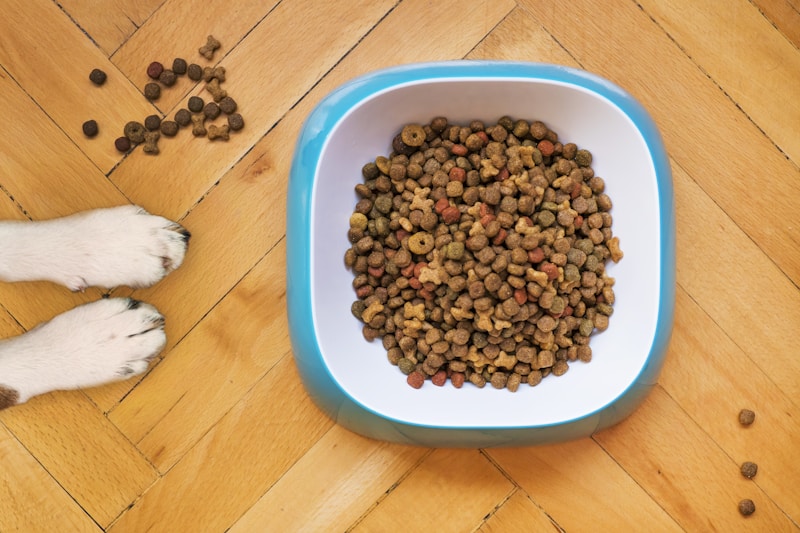
A 4 kg Pomeranian and a 30 kg Labrador are both dogs, but their nutritional requirements differ in ways that matter enormously for health outcomes. Feeding a small breed dog on food formulated for medium or large breeds — or worse, on generic "all breed" formulations — can contribute to dental disease, hypoglycaemia, obesity, and reduced longevity. Understanding why small breeds need specific nutrition is the foundation for making better food choices.
Higher Metabolic Rate
Small dogs have a faster metabolic rate per kilogram of body weight than large dogs. A 5 kg Shih Tzu burns proportionally more energy per kilogram than a 35 kg German Shepherd. This means small breed foods need to be more calorie-dense to deliver adequate energy in a smaller volume. Foods formulated for large breeds may lack the caloric density small breeds require, potentially leading to inadequate intake even when the dog appears to be eating sufficiently.
Small Kibble Size
This seems obvious but is frequently overlooked. Large kibble is physically difficult for small dogs to pick up, chew, and swallow. Dogs forced to eat oversized kibble often swallow pieces whole — bypassing the mechanical dental benefits of chewing and risking choking. Small breed formulas use kibbles typically under 8–10 mm that match the jaw size and biting force of small dogs.
Dental Health Priority
Dental disease is epidemic in small breeds. Studies consistently show that 80–85% of small breed dogs over age 3 have some degree of periodontal disease. The reasons are structural: small dogs have the same number of teeth as large dogs compressed into a much smaller jaw, creating overcrowding, trapped food, and accelerated plaque accumulation. The kibble design in small breed foods — harder texture, specific size to encourage chewing — provides genuine mechanical dental benefit. Combined with regular brushing, small breed formulas help slow the progression of the dental disease that causes pain, tooth loss, and systemic infections in small dogs.
Calcium for Dental Health
Calcium and phosphorus balance in small breed foods is calibrated with bone density and dental health in mind. The calcium-to-phosphorus ratio in well-formulated small breed foods is typically 1.2:1 to 1.4:1 — supporting strong tooth roots and jaw density that resists periodontal bone loss.
Popular Small Breeds in the US
The small breeds most commonly owned in US cities each bring specific considerations to food selection:
Pomeranian (2–4 kg): High metabolic rate, dense double coat requiring good omega-3 support, hypoglycaemia risk in puppies. Look for high calorie density and quality skin/coat nutrients.
Shih Tzu (4–7 kg): Brachycephalic jaw anatomy makes kibble pickup challenging — appropriately sized kibble is important. Skin sensitivities are common. Dental health is a known breed issue.
Chihuahua (1.5–3 kg): The smallest common breed in the US. Hypoglycaemia risk is the highest of any breed. Tiny kibble, very high caloric density, and feeding frequency (2–3 times daily for adults, more for puppies) are essential. Dental disease rates in Chihuahuas are among the highest of any breed.
Dachshund (5–9 kg): Weight management is critical — excess weight directly loads the spine and accelerates IVDD. Small breed foods with controlled fat are appropriate. Long body means dental disease is also common.
Maltese (2–4 kg): Notably prone to dental disease; dental care through food and brushing is particularly important. Sensitive digestion in some individuals — digestibility is worth prioritising in food selection.
Lhasa Apso (6–8 kg): Kidney disease is a known later-life concern in the breed — some owners transition to slightly lower-phosphorus foods from age 6–7 as a precautionary measure. Good coat nutrition is relevant for the breed's flowing hair.
In-Depth Reviews: 6 Small Breed Foods Available in the US
1. Royal Canin Mini Adult — The Benchmark Small Breed Food
Rating: 8.8/10 | Price: ~$8–$8/kg | Available: Amazon the US, pet stores nationally
Royal Canin Mini Adult is the small breed food against which everything else is measured. The formula is built specifically for dogs 1–10 kg, with a precisely designed small kibble (approximately 7 mm) that is physically appropriate for small jaws and provides meaningful mechanical dental benefit. Protein is 29% from high-quality poultry sources. Fat is 15%, calorie density is calibrated for small breed metabolic rates. EPA/DHA from fish oil supports skin and coat.
Royal Canin's proprietary research on dental health in small breeds is reflected in the kibble design — the texture and mineral composition are specifically engineered to reduce tartar accumulation. Independent studies on Royal Canin Mini's dental effects show 54–77% reduction in tartar build-up compared to standard kibble — a clinically meaningful result for breeds like Chihuahuas and Maltese.
The food is universally palatable — small breed dogs consistently accept Royal Canin Mini without difficulty. Digestibility is excellent, with stool quality consistently high. The formula is grain-inclusive (corn, wheat) — not an issue for dogs without grain sensitivity, and the grain inclusion supports consistent digestive health.
Positives: Best dental health design of any food tested; precise small-breed formulation; consistent digestibility; strong vet endorsement; available nationwide.
Considerations: Expensive at $8–$8/kg; grain-inclusive (not suitable for grain-sensitive dogs); protein source is dehydrated poultry rather than fresh chicken.
Verdict: The top choice for Pomeranians, Shih Tzus, Chihuahuas, and Maltese where dental health is a priority — which it should be in all small breed households. The dental design alone justifies the price premium for breeds known to be dental disease-prone.
2. Hill's Science Diet Small & Toy Breed Adult
Rating: 8.5/10 | Price: ~$8–$9/kg | Available: Amazon the US, veterinary clinics
Hill's Science Diet Small & Toy Breed is the most veterinarian-recommended small breed food in the US. The formula features chicken as the first ingredient, is backed by Hill's independent clinical research standards, and has precise nutrient calibration for small dogs. The antioxidant vitamin C and E blend has documented immune support in dogs. Omega-6 and omega-3 fatty acids from chicken fat and fish oil deliver measurable skin and coat outcomes.
Caloric density is slightly higher than Royal Canin Mini, making it well-suited for very small breeds (Chihuahuas, Toy Pomeranians) with high energy requirements. Kibble size is small-breed appropriate. The formula does not have the specific dental texture engineering of Royal Canin, but quality and digestibility are excellent.
Price is comparable to Royal Canin Mini. For owners whose veterinarians have specifically recommended Hill's, this is the small breed option. For the general population, Royal Canin Mini has a marginal advantage in dental health design.
Positives: Chicken as first ingredient; strong clinical research backing; excellent digestibility; vet-recommended; antioxidant blend; good for very small toy breeds.
Considerations: Expensive; less emphasis on dental design than Royal Canin; not always stocked in offline pet stores outside metros.
Verdict: Excellent small breed food and the first choice when your vet specifically recommends Hill's. For Lhasa Apsos approaching 6–7 years where kidney health monitoring begins, Hill's has the advantage of easy transition to their kidney-protective formulas if needed.
3. Farmina N&D Mini Grain Free
Rating: 8.3/10 | Price: ~$16–$18/kg | Available: Amazon the US, premium pet stores
Farmina N&D Mini Grain Free is the premium option for small breed owners seeking the highest protein quality. Fresh chicken leads the ingredient list, protein runs at 38% dry matter basis, and the grain-free formula uses lentils and potatoes as carbohydrate sources. DHA from fish oil is at meaningful levels. The mini kibble is appropriately sized for small breeds.
The nutritional quality is excellent, and palatability is typically very high — small breed dogs accept Farmina N&D with consistent enthusiasm. Coat and energy outcomes are among the best of foods tested. The taurine concern with grain-free diets is less relevant for small breeds (which have lower DCM predisposition than large breeds), but it is worth noting that Farmina does directly supplement taurine, addressing this proactively.
The significant consideration is price: at $16–$18/kg, Farmina N&D Mini is the most expensive small breed food in this review. For a 4 kg Pomeranian eating approximately 80g per day, the monthly food cost is $37–$43. For a 7 kg Shih Tzu eating 130g per day, it is $61–$70 per month. These are genuinely premium costs that require honest budget consideration.
Positives: Highest protein quality; fresh chicken first; excellent palatability; outstanding coat outcomes; grain-free with direct taurine supplementation.
Considerations: Very expensive; grain-free (minimal concern for small breeds, but some vets prefer grain-inclusive); available primarily online; legume-inclusive.
Verdict: The premium choice for small breed owners with the budget and a focus on maximum nutritional quality. Particularly well-suited for dogs with skin sensitivities where grain exclusion is relevant.
4. Drools Focus Small Breed
Rating: 7.6/10 | Price: ~$4–$4/kg | Available: Amazon the US, offline pet stores nationwide
Drools Focus Small Breed is the best US-made option for small breed dogs in 2026 and represents one of the better budget choices in this segment. The formula includes chicken as the first listed ingredient, has fish oil for omega-3, and avoids artificial colours and BHA/BHT. At $4–$4/kg, it is less than half the price of Royal Canin Mini.
Kibble size is appropriately small for the breed segment. Protein is 28% — adequate for small breeds. The dental-specific kibble engineering present in Royal Canin is absent, which is a meaningful gap given small breeds' dental vulnerability. However, Drools Focus Small Breed is a solid nutritional choice that outperforms Pedigree Small Dog at a similar price point.
Palatability tested well — most small breed dogs accepted it readily. Stool quality is moderate (3.2/5 average) — slightly below premium options. Occasional loose stools during the first two weeks are common when transitioning to this food; a slow 10-day transition is recommended.
Positives: Best budget option for small breeds in the US; chicken-first ingredient; appropriate small kibble; no artificial colours or BHA/BHT; excellent availability including smaller cities.
Considerations: No dental-specific formulation; protein quality lower than premium imports; stool quality slightly variable; some soy protein concentrate included alongside chicken.
Verdict: The recommended choice for small breed owners whose budget does not support Royal Canin or Hill's. Supplement with dental chews or regular tooth brushing to compensate for the absence of dental-engineered kibble. A strong upgrade from Pedigree Small Dog at an only marginally higher price.
5. Purina Pro Plan Small & Toy Breed Adult
Rating: 8.4/10 | Price: ~$8–$9/kg | Available: Amazon the US, premium pet stores
Purina Pro Plan's Small & Toy Breed formula delivers the same performance-nutrition philosophy in a small breed package: chicken as the first ingredient, 30% protein, live probiotic cultures for gut health (Lactobacillus acidophilus), and EPA/DHA from salmon oil. The live probiotics make it stand out from Royal Canin and Hill's in this segment — gut health support is genuinely functional, not just label language.
The formula is calorie-dense (404 kcal/100g), well-suited for very small breeds with high metabolic needs. Digestibility is excellent, and the probiotic inclusion is particularly relevant for Chihuahuas and Toy Pomeranians that can have variable digestive stability. Kibble size is appropriate for small breeds.
Like all Pro Plan products, availability in the US has improved significantly in 2025–26. The price point ($8–$9/kg) is comparable to Royal Canin Mini and Hill's. The dental formulation is not as specifically engineered as Royal Canin's, but overall nutritional quality is competitive at this price tier.
Positives: Live probiotics; chicken first; salmon oil omega-3; high calorie density suitable for toy breeds; excellent digestibility.
Considerations: No dental-specific kibble engineering; expensive; better suited to active small breeds than sedentary ones due to high caloric density.
Verdict: The top choice for toy breeds with digestive sensitivities, or for small breeds in active households where higher calorie density is appropriate. Excellent for Chihuahuas.
6. Pedigree Small Dog — Is the Budget Option Good Enough?
Rating: 6.2/10 | Price: ~$2–$3/kg | Available: Nationally, all channels
Pedigree Small Dog is the US's most widely available small breed food and the first choice for millions of US owners by default of distribution reach. At $2–$3/kg, it is the most accessible price point in this review. But nutritional quality is significantly below the other options reviewed here.
Cereals and derivatives appear before animal protein in the ingredient list — the primary calorie source is grain-based. Protein sits at 21% — technically compliant with minimum AAFCO standards but at the bottom of the acceptable range. The artificial caramel colouring that has long been a concern in Pedigree products remains present in the small dog formula. No specific dental engineering. No live probiotics. No verified EPA/DHA levels from named sources.
That said: Pedigree Small Dog meets minimum nutritional standards, is genuinely accessible for owners in Tier-2 and Tier-3 cities where alternatives are unavailable, and is nutritionally adequate for otherwise healthy adult dogs. The issue is that "adequate" is a low bar for breeds (Chihuahuas, Maltese, Pomeranians) with known dental disease and hypoglycaemia susceptibility.
Positives: Most affordable option; nationally available including remote areas; consistent formulation; high palatability due to caramel flavouring.
Considerations: Cereal-first ingredient list; low protein at 21%; artificial colouring; no dental-specific design; no verified omega-3 sourcing.
Verdict: Acceptable for short-term use or in areas where alternatives are genuinely unavailable. For owners who can access Drools Focus Small Breed ($4–$4/kg), that is a meaningfully better choice at only a modest price premium. Not our recommendation as a primary food for dental-disease-prone small breeds.
Hypoglycaemia Risk: Feeding Frequency Matters
Small and toy breeds — particularly Chihuahuas, Pomeranians, and Toy Poodles — are at genuine risk of hypoglycaemia (low blood sugar), especially as puppies. Small breeds have limited glucose storage capacity and fast metabolic rates. An extended gap between meals (particularly overnight) can cause blood sugar to drop to dangerous levels, causing weakness, trembling, confusion, and in severe cases, seizures.
Prevention is straightforward: feed small breeds 2–3 times per day as adults, and 3–4 times per day as puppies. Never skip meals or allow extended fasting periods. If your small breed dog suddenly becomes lethargic, glassy-eyed, or uncoordinated, offer a small amount of honey (rubbed on the gums) and get to a vet immediately — this is a veterinary emergency.
Dental Disease: Food's Role in Prevention

Dental disease is the single most prevalent health condition in small breed dogs in the US. 80–85% of dogs over 3 years have some degree of periodontal disease. Small breeds, with their overcrowded dentition, are disproportionately affected. Left untreated, periodontal disease causes: chronic pain, tooth loss, jaw bone erosion, and systemic infections that damage heart valves, kidneys, and liver.
Food contributes to dental health in three ways: kibble texture (mechanical abrasion during chewing), mineral composition (calcium/phosphorus supporting tooth root density), and kibble size (appropriately sized pieces encourage chewing rather than gulping). Royal Canin Mini Adult's dental design is the most research-backed in this review. However, no food alone can replace regular dental hygiene — daily brushing with veterinary toothpaste is the gold standard. If daily brushing is not practical, aim for 3 times weekly minimum, supplement with dental chews (CET chews are vet-endorsed and available in the US), and budget for professional dental cleaning under anaesthesia every 1–2 years from age 3.
the US Context: Small Dogs in the USn Apartments
The majority of small breed dogs in the US live in urban apartments — a context that creates specific feeding considerations beyond the nutritional content of the food:
Obesity risk: Small breeds in apartments with limited exercise are highly obesity-prone. Measure portions using a kitchen scale (not a cup). At the first sign of rib coverage difficulty, reduce portions by 10% and increase play activity. Obesity in small breeds accelerates dental bone loss and exacerbates intervertebral disc disease in Dachshunds.
Treat culture: US families have a deeply embedded culture of sharing food with dogs — biscuits, rotis, and table scraps are common treats. In small breeds where the total daily calorie requirement is only 200–400 kcal, a single roti adds 80–100 kcal — potentially 25–50% of the daily requirement. Set clear household rules about treats, and use small low-calorie vegetables (plain cucumber, carrot) as alternatives when family members want to share food with the dog.
Water quality: Small breed digestive systems are sensitive. In cities with hard or chlorinated water, some owners find filtered water reduces digestive variability in small dogs. Not essential, but worth considering if a small breed shows persistent soft stools on an otherwise good diet.
Find the Best Products for Your Pet
Every product we recommend is independently tested by our veterinary team.
Browse Tested Products →Frequently Asked Questions



Comments 0
No comments yet. Be the first to share your thoughts!