
The Dog Obesity Crisis in America
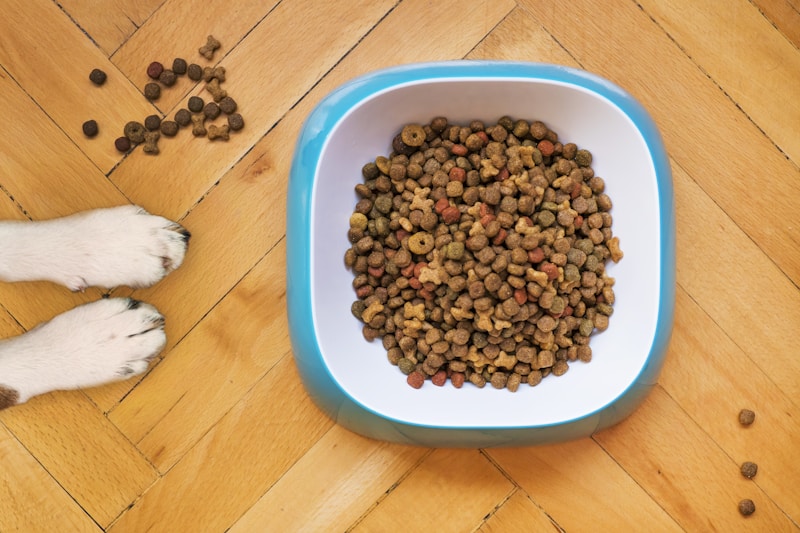
According to the Association for Pet Obesity Prevention (APOP), an estimated 59% of dogs in the United States are overweight or obese as of their most recent clinical survey. That translates to roughly 56 million dogs carrying excess weight — a number that has climbed steadily over the past two decades. Canine obesity is now the most common nutritional disorder seen by veterinarians in the US, and it is almost entirely preventable.
The health consequences of excess weight in dogs mirror those in humans: shortened lifespan (overweight dogs live an average of 2.5 years less than dogs at a healthy weight), increased risk of osteoarthritis and joint disease, higher rates of diabetes mellitus, elevated risk of certain cancers, respiratory compromise, decreased exercise tolerance, and reduced overall quality of life. A landmark lifetime study by Purina found that dogs maintained at a lean body condition lived a median of 1.8 years longer than their overweight littermates — nearly two additional years of life simply from maintaining a healthy weight.
The causes are straightforward: too many calories in and not enough calories out. Overfeeding is the primary driver — whether from oversized meal portions, calorie-dense treats, table scraps, or a combination of all three. Many owners do not realize how many calories their dog actually needs, and feeding guides on dog food bags often overestimate portions because manufacturers benefit from faster bag consumption.
The good news is that weight management dog foods have improved dramatically. Today's formulas reduce calories while maintaining protein levels, increasing fiber for satiety, and ensuring complete nutritional adequacy. Combined with measured feeding and moderate exercise, these foods help dogs lose weight safely and sustainably.
How Weight Management Dog Foods Work
Weight management formulas use several strategies to reduce caloric density while keeping dogs satisfied and nutritionally complete:
- Reduced fat content: Fat contains 9 calories per gram versus 4 calories per gram for protein and carbohydrates. Weight management foods typically contain 7-10% fat compared to 12-16% in standard adult formulas, significantly reducing caloric density per cup.
- Increased fiber: Fiber adds bulk to food without adding calories, helping dogs feel physically full on smaller portions. Weight management formulas often contain 8-15% crude fiber compared to 3-5% in standard foods. Common fiber sources include cellulose, beet pulp, pea fiber, and psyllium husk.
- Maintained or increased protein: Protein is essential for preserving lean muscle mass during weight loss. The best weight management foods maintain protein levels at 25-30% or higher, even while reducing overall calories. This prevents the muscle wasting that occurs when dogs lose weight on protein-deficient diets.
- Added L-carnitine: L-carnitine is an amino acid that helps transport fatty acids into mitochondria for energy production — essentially helping the body burn fat more efficiently. Multiple veterinary studies have shown that L-carnitine supplementation improves fat loss and lean muscle preservation during canine weight loss programs.
- Lower calorie density: Standard adult dog foods contain approximately 350-420 kcal per cup. Weight management formulas typically contain 240-310 kcal per cup, allowing dogs to eat a similar volume of food with significantly fewer calories.
Our Top 6 Picks for Weight Loss

#1 Hill's Science Diet Perfect Weight — Best Overall
Hill's Science Diet Perfect Weight is the most clinically studied weight management dog food available and our top recommendation for overweight dogs. In Hill's own clinical studies, 70% of dogs achieved a healthy weight within 10 weeks on Perfect Weight — an impressive result that outperforms most dietary interventions in veterinary medicine. The formula uses real chicken as the first ingredient with prebiotic fiber from beet pulp and flaxseed to promote satiety and healthy digestion.
The guaranteed analysis shows 24.5% crude protein with just 10.8% crude fat and 16.1% crude fiber — a profile that delivers high protein for muscle preservation, low fat for calorie reduction, and high fiber for fullness. Each cup contains approximately 291 kcal, compared to roughly 363 kcal per cup in Hill's standard Adult formula. That means you can feed your dog a generous-looking portion while still significantly cutting daily calories.
What sets Hill's Perfect Weight apart from competitors is the clinical evidence behind it. The 10-week study demonstrating 70% success rates was published and peer-reviewed, not just a marketing claim. Hill's also provides detailed feeding guidelines with specific portions based on current weight and target weight, making it easier for owners to implement an accurate weight loss program without guesswork.
L-carnitine is included to support fat metabolism, and the formula contains omega-6 fatty acids and vitamin E for skin and coat health — important because weight loss diets that are too restrictive in fat can cause dull, flaky coats. The food is AAFCO-compliant for adult maintenance through feeding trials, the highest standard of nutritional validation.
- Pros: Clinically proven 70% success rate in 10 weeks; high protein (24.5%) preserves muscle; high fiber (16.1%) promotes fullness; L-carnitine for fat metabolism; real chicken first ingredient; detailed feeding guidelines by current and target weight; AAFCO feeding trial validated
- Cons: Premium price ($59.99 for 25 lbs); some dogs find high-fiber formulas less palatable initially; available mainly at vet clinics and specialty retailers; not grain-free (though this is actually a positive for most dogs)
- Calories: 291 kcal/cup
- Daily feeding cost: Approximately $2.30-$2.80 per day for a 50-lb dog on a weight loss plan
Check Price on Chewy → | Check Price on Amazon →
#2 Purina Pro Plan Weight Management Adult — Best Vet-Recommended
Purina Pro Plan Weight Management is the weight-control formula from America's most veterinarian-recommended dog food brand. The formula uses real chicken as the first ingredient with rice and corn gluten meal, delivering 28% crude protein — the highest protein level among our top picks — with just 9% crude fat. The high protein content is deliberate: it helps dogs maintain lean muscle mass during caloric restriction, which keeps metabolism higher and produces better long-term weight management outcomes.
The formula includes live probiotics for digestive health, a feature unique to the Pro Plan line that supports gut microbiome balance during dietary changes. Prebiotic fiber from wheat bran promotes healthy digestion and satiety. At approximately 283 kcal per cup, it is among the lowest-calorie options in our review while still providing substantial nutrition per serving.
Purina Pro Plan Weight Management is backed by the brand's extensive research infrastructure — over 500 scientists, nutritionists, and veterinarians contribute to Pro Plan formulations. The product has undergone AAFCO feeding trials confirming complete and balanced nutrition for adult maintenance.
- Pros: Highest protein (28%) among top picks; live probiotics included; lowest calorie density (283 kcal/cup); backed by extensive Purina research; AAFCO feeding trial validated; widely available; reasonable price
- Cons: Contains corn gluten meal and poultry by-product meal; some owners prefer cleaner ingredient lists; fiber content (5%) lower than Hill's Perfect Weight
- Calories: 283 kcal/cup
- Daily feeding cost: Approximately $1.90-$2.30 per day for a 50-lb dog on a weight loss plan
Check Price on Chewy → | Check Price on Amazon →
#3 Blue Buffalo Life Protection Healthy Weight — Best Natural Option
Blue Buffalo Healthy Weight appeals to owners who want a weight management formula with a clean, natural ingredient list. Deboned chicken is the first ingredient, followed by brown rice and barley — no corn, wheat, or soy. The formula contains Blue Buffalo's signature LifeSource Bits with cold-formed antioxidants, plus L-carnitine for fat metabolism and glucosamine for joint support (important for overweight dogs whose joints bear excess stress).
The guaranteed analysis shows 20% crude protein and 9% crude fat with approximately 310 kcal per cup. While the protein is lower than Pro Plan's 28%, it is still adequate for adult maintenance during weight loss. The ingredient list is notably cleaner than either Hill's or Purina, using identifiable whole food ingredients throughout with no by-product meals or artificial preservatives.
- Pros: Clean ingredient list with no corn, wheat, soy, or by-products; LifeSource Bits with antioxidants; L-carnitine and glucosamine included; no artificial preservatives; widely available at retail and online
- Cons: Lower protein (20%) than competitors; higher calorie density (310 kcal/cup) than Hill's or Pro Plan; AAFCO formulation-based rather than feeding trial; slightly more expensive per pound
- Calories: 310 kcal/cup
- Daily feeding cost: Approximately $2.20-$2.60 per day for a 50-lb dog on a weight loss plan
Check Price on Chewy → | Check Price on Amazon →
#4 Wellness Complete Health Healthy Weight — Best All-Around Nutrition
Wellness Complete Health Healthy Weight uses deboned chicken and whitefish as dual protein sources, delivering 24% crude protein and 8% crude fat. The formula stands out for its comprehensive supplementation: glucosamine and chondroitin for joints, probiotics for digestive health, flaxseed for omega-3 fatty acids, and a robust vitamin and mineral package. At 305 kcal per cup, it offers moderate calorie reduction with excellent nutrient density.
The ingredient list is clean and transparent: no meat by-products, no artificial preservatives, no corn, wheat, or soy. Wellness manufactures in their own facilities in the US, providing direct control over ingredient quality and production consistency. The formula includes peas and sweet potatoes as fiber-rich carbohydrate sources that contribute to satiety.
- Pros: Dual protein sources; comprehensive joint support; probiotics included; clean ingredient list; manufactured in company-owned US facilities; no artificial additives
- Cons: Moderate calorie reduction (305 kcal/cup); grain-free formulation (contains peas — DCM considerations); premium price; less clinical evidence than Hill's or Purina
- Calories: 305 kcal/cup
- Daily feeding cost: Approximately $2.40-$2.90 per day for a 50-lb dog on a weight loss plan
Check Price on Chewy → | Check Price on Amazon →
#5 Nutro Ultra Weight Management — Best Superfood Blend
Nutro Ultra takes a unique approach to weight management with their trio of lean proteins — chicken, lamb, and salmon — combined with what they call a "superfood" blend of chia seeds, kale, blueberries, and coconut. The guaranteed analysis shows 23% crude protein and 9% crude fat with approximately 275 kcal per cup — among the lowest in our review, which means dogs can eat relatively generous portions while still losing weight.
The formula includes no chicken by-product meal, artificial flavors, colors, or preservatives. Nutro is owned by Mars Petcare and manufactured in the US with a strong safety and quality control record. The superfood ingredients provide natural sources of vitamins, minerals, and antioxidants rather than relying solely on synthetic supplementation.
- Pros: Three lean protein sources; very low calorie density (275 kcal/cup); superfood ingredients for natural nutrition; no by-products or artificial additives; clean recall history; good palatability
- Cons: Premium price; less clinical evidence for weight loss efficacy; contains grains (rice, oatmeal) which is fine for most dogs but noted for those seeking grain-free; smaller bag sizes
- Calories: 275 kcal/cup
- Daily feeding cost: Approximately $2.60-$3.10 per day for a 50-lb dog on a weight loss plan
Check Price on Chewy → | Check Price on Amazon →
#6 Diamond Naturals Light — Best Budget Weight Management
Diamond Naturals Light proves that effective weight management does not require a premium price tag. At approximately $32.99 for a 30-pound bag, it costs 40-50% less than Hill's or Blue Buffalo while still delivering a solid nutritional profile: 23% crude protein, 7.5% crude fat, and approximately 280 kcal per cup. Lamb meal is the first ingredient (a concentrated protein source), followed by brown rice and cracked pearled barley.
The formula includes L-carnitine for fat metabolism, probiotics for digestive health, omega fatty acids from salmon oil, and glucosamine and chondroitin for joint support — matching many premium brands' functional ingredient profiles at a fraction of the price. Diamond manufactures in their own facilities in Meta, Missouri, and Lathrop, California.
- Pros: Excellent value ($32.99/30 lbs); L-carnitine and probiotics included; low fat (7.5%); glucosamine for joint support; no artificial preservatives, colors, or flavors; no corn, wheat, or soy
- Cons: Lamb meal rather than deboned lamb as first ingredient; less brand recognition; fewer size options; limited clinical evidence for weight loss outcomes; manufactured in Diamond facilities that have had past recalls (though Naturals line has been clean)
- Calories: 280 kcal/cup
- Daily feeding cost: Approximately $1.30-$1.60 per day for a 50-lb dog on a weight loss plan
Check Price on Chewy → | Check Price on Amazon →
Feeding Guidelines for Weight Loss
Switching to a weight management food alone is not enough — proper portion control is essential. Follow these guidelines for safe, effective weight loss:
- Calculate target daily calories: Your veterinarian can calculate your dog's resting energy requirement (RER) using the formula: RER = 70 x (ideal body weight in kg)^0.75. For weight loss, most vets recommend feeding 80% of RER for the target weight. For example, a 70-pound dog with an ideal weight of 55 pounds would need approximately 780 calories per day for weight loss.
- Measure every meal: Use a kitchen scale or standard measuring cup and measure precisely. Eyeballing portions is the number one reason weight loss programs fail — most owners consistently overfeed by 20-40% when estimating portions.
- Feed 2-3 meals per day: Splitting the daily portion into 2-3 meals helps maintain metabolism and reduces the hunger-driven begging that sabotages many weight loss efforts. Avoid free-feeding (leaving food out all day).
- Account for all calories: Every treat, dental chew, pill pocket, and table scrap counts. Treats should not exceed 10% of daily calories. A single Milk-Bone Large biscuit contains approximately 115 calories — that could represent 12-15% of a weight-loss diet in a single treat.
- Weigh biweekly: Weigh your dog every two weeks at the same time of day, ideally at your vet's office using their scale for consistency. Target 1-2% body weight loss per week. If your dog is losing faster, increase food slightly. If not losing, reduce by 10%.
- Add exercise gradually: Start with 15-20 minute leash walks and increase by 5 minutes per week as fitness improves. Swimming is excellent for overweight dogs as it provides resistance exercise without joint impact. Avoid high-impact activities until the dog reaches a healthier weight.
Our Verdict

For the most evidence-based approach to canine weight loss, Hill's Science Diet Perfect Weight is our top recommendation — its 70% success rate in clinical studies sets a standard no competitor has matched. For owners who value veterinary research backing and high-protein formulation, Purina Pro Plan Weight Management delivers the highest protein and lowest calories per cup in our review. Clean-ingredient advocates will appreciate Blue Buffalo Healthy Weight, and budget-conscious owners can achieve excellent results with Diamond Naturals Light at under $1.60 per day. Remember: the food is only one piece of the puzzle. Measured portions, calorie tracking, regular weigh-ins, and gradual exercise increases are all essential for safe, lasting weight loss. Partner with your veterinarian to set a realistic target weight and timeline for your individual dog.
Find the Best Products for Your Pet
Every product we recommend is independently tested by our veterinary team.
Browse Tested Products →Frequently Asked Questions


Comments 0
No comments yet. Be the first to share your thoughts!