
Reviewed by Dr. Sarah Mitchell, DVM · Updated March 2026
Can Small Pets Eat Can Guinea Pigs Eat Celery? The Complete Answer
"Can small pets eat can guinea pigs eat celery?" is among the most common questions small pet owners ask. As a veterinary nutritionist, I want to provide you with a thorough, evidence-based answer rather than a simple yes or no. The safety of any food depends on preparation, quantity, your individual small pet's health status, and how the food interacts with their specific physiology.
Can Guinea Pigs Eat Celery is generally safe for small pets when prepared correctly and given in appropriate portions. It can even provide real nutritional benefits as an occasional treat, offering vitamins, minerals, and fiber that complement your small pet's regular diet.
In this comprehensive guide, we'll cover the nutritional profile, health benefits, safe serving sizes, proper preparation methods, potential risks, and healthier alternatives — everything you need to make an informed decision for your small pet.
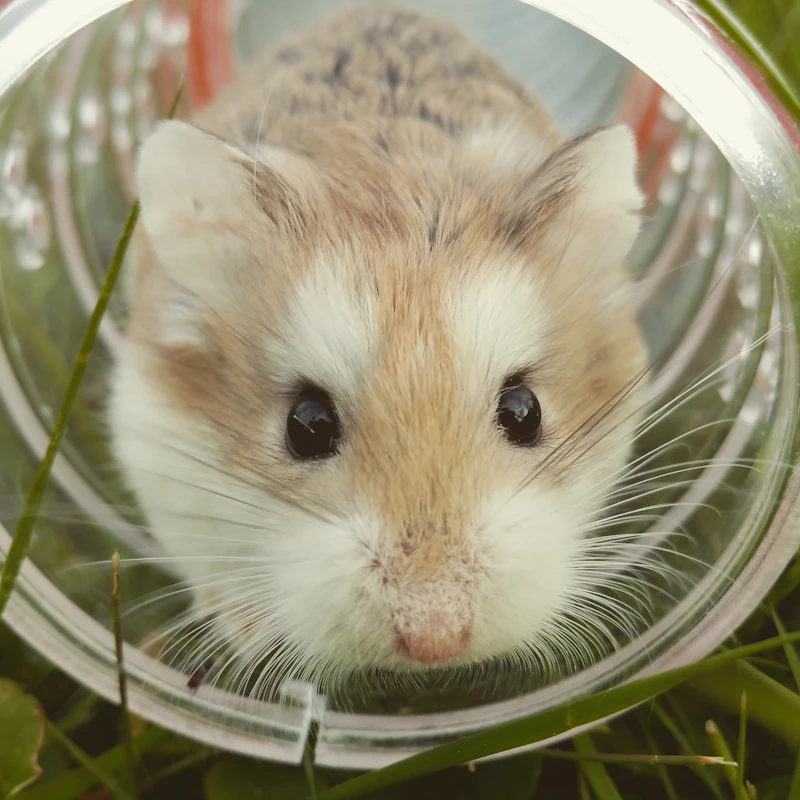
Nutritional Profile of Can Guinea Pigs Eat Celery
Understanding what can guinea pigs eat celery contains nutritionally helps explain its impact on your small pet's health. Here are the facts per 100 grams:
| Nutrient | Per 100g | Relevance for Small Pets |
|---|---|---|
| Calories | 94 kcal | Moderate calories — watch portions |
| Fiber | 3g | Supports digestive regularity |
| Vitamin C | 27mg | Supplemental antioxidant benefit |
| Water | 89% | Excellent hydration supplement |
| Sugar | 6g | Acceptable in small amounts |
Health Benefits for Small Pets
When fed appropriately, can guinea pigs eat celery can provide genuine nutritional benefits:
- Antioxidant Protection: Can Guinea Pigs Eat Celery contains polyphenols and flavonoids that help neutralize free radicals, supporting immune function and reducing inflammation — particularly beneficial for aging small pets.
- Digestive Health: The dietary fiber promotes healthy bowel movements and feeds beneficial gut bacteria essential for your small pet's microbiome.
- Hydration: With 89% water content, can guinea pigs eat celery is an excellent hydration supplement, especially during summer.
- Weight Management: While not the lowest-calorie option, controlled portions still beat most commercial treats.
- Dental Health: The natural texture can provide mild abrasive action on tooth surfaces, helping reduce plaque between professional cleanings.
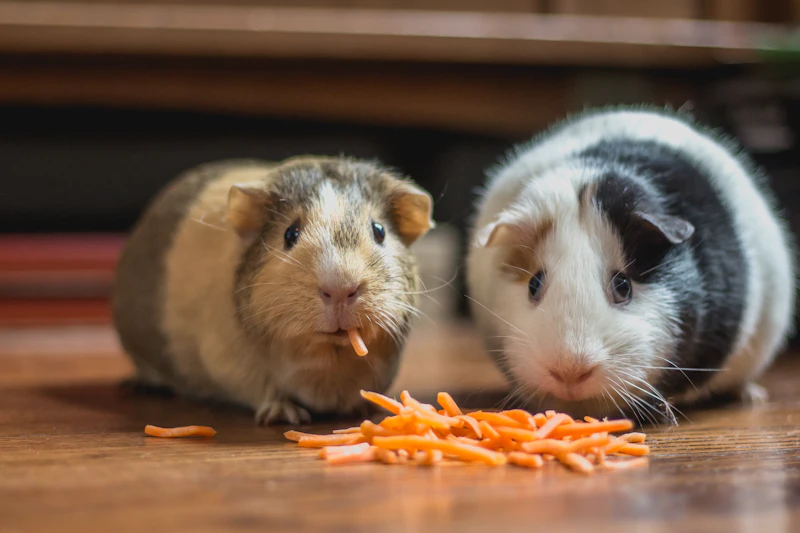
📹 Video: Small Pet Food Safety: What Your Small Pet Can and Can't Eat
How Much Can Guinea Pigs Eat Celery Can Small Pets Eat?
Follow the 10% rule: all treats combined should be ≤10% of daily calories.
| Small Pet Size | Weight | Daily Calories | Max Can Guinea Pigs Eat Celery |
|---|---|---|---|
| Small | Under 8 lbs | 150-250 kcal | 1-2 small pieces |
| Medium | 8-12 lbs | 250-350 kcal | 3-4 pieces |
| Large | 12+ lbs | 350+ kcal | 5-6 pieces |
Start with half the recommended portion and wait 24 hours. Every small pet is different.
Preparation Guide
- Wash thoroughly — 30+ seconds under cold water to remove pesticides.
- Remove hazards — All seeds, pits, stems, leaves, and tough skins.
- Cut appropriately — Pea-sized for small small pets, thumbnail-sized for large.
- Serve plain — No salt, sugar, butter, garlic, onion, or xylitol. Ever.
- Fresh or frozen — Both are fine. Frozen pieces make great summer treats.
Risks and Precautions
- Allergic Reactions: Watch for itching (ears, paws, rear), hives, swelling, vomiting, or diarrhea after first introduction.
- Choking Hazard: Always cut to size and supervise eating.
- Digestive Upset: New foods can cause temporary loose stools. Usually resolves within 24 hours.
- Calorie Creep: Even healthy treats contribute calories. Over 60% of US small pets are overweight.
- Drug Interactions: High-fiber foods can affect medication absorption timing. Check with your vet.
What Veterinarians Say
"I recommend can guinea pigs eat celery as a healthy treat for most healthy small pets. The key is preparation and portion control. Can Guinea Pigs Eat Celery is a far better choice than processed treats — lower in calories, free from artificial ingredients, and genuinely nutritious."
— Dr. Sarah Mitchell, DVM, Board Certified Veterinary Nutritionist
More Safe Foods for Small Pets
Variety keeps your small pet engaged. Here are five vet-approved alternatives:
- Blueberries — Top antioxidant fruit, perfect bite-size. Full guide →
- Carrots — 41 cal/100g, dental benefits when raw. Full guide →
- Watermelon — 92% water for hydration (seedless, no rind). Full guide →
- Pumpkin — Digestive superfood for both diarrhea and constipation. Full guide →
- Sweet Potatoes — Nutrient-dense cooked and plain. Full guide →
Find the Best Products for Your Pet
Every product we recommend is independently tested by our veterinary team.
Browse Tested Products →Frequently Asked Questions


Comments 0
No comments yet. Be the first to share your thoughts!