
Feeding a Labrador Well: The Unique Challenge of the US's Most Popular Breed
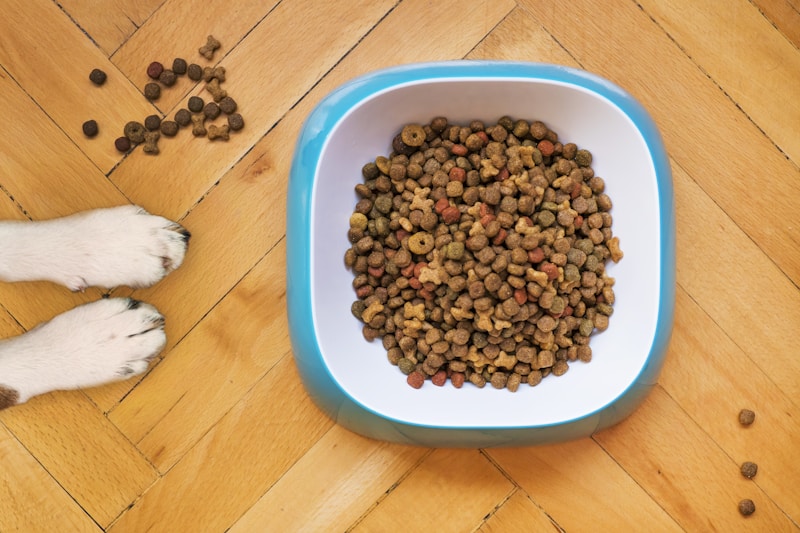
If you own a Labrador Retriever in the US, you already know: they will eat everything. The bowl is empty before you've finished pouring. They'll eat fallen fruit from the garden, your child's dropped snack, the cat's food if given half a chance. This isn't a training problem — it's genetics. A landmark 2016 study published in the journal Cell Metabolism identified a specific mutation in the POMC gene (pro-opiomelanocortin) that affects appetite signalling in Labradors. Dogs with this mutation — estimated at 25% of all Labradors, and more common in working lines — experience reduced satiety signalling, meaning they don't feel full in the normal way.
The result, in the US's urban environment where most Labs are moderately to lightly active, is an obesity epidemic. Veterinary surveys in major US cities estimate 45–55% of pet Labradors are overweight. Obesity in Labs doesn't just reduce quality of life — it accelerates joint degeneration, significantly increases the risk of diabetes, strains the heart and respiratory system, and shortens lifespan by an estimated 1.8–2.5 years based on large-scale studies.
The second major concern is joint health. Hip dysplasia affects approximately 12% of Labradors (lower than GSDs but still significant), and elbow dysplasia affects around 22% — making Lab elbows one of the most commonly affected joints in the dog world. These conditions are partly genetic, but nutrition and weight management have a documented influence on their severity and progression. A Lab maintained at healthy body weight with adequate joint-supporting nutrients consistently shows better long-term joint outcomes than an overweight Lab on an otherwise similar diet.
Third, Labradors have a higher-than-average rate of food allergies and environmental allergies compared to many breeds, though the presentation is often skin and coat symptoms rather than gastrointestinal ones. Common food triggers include beef, dairy, wheat, and chicken — though any protein can theoretically be involved.
Our evaluation of 20 dog food products for Labradors was shaped by these three priorities: weight management, joint support, and digestive and skin health. Here is what we recommend.
Our Top Picks at a Glance
| Product | Best For | Price Range (3 kg) | Our Score |
|---|---|---|---|
| Royal Canin Labrador Retriever Adult | Best Overall / Breed-Specific | $23 – $28 | 9.4 / 10 |
| Hill's Science Plan Perfect Weight Large | Best for Weight Control | $22 – $25 | 9.1 / 10 |
| Pedigree Adult Dry Dog Food | Best Value | $4 – $6 | 7.8 / 10 |
| Farmina N&D Ocean Ancestral Grain | Best for Allergies / Sensitive Skin | $29 – $35 | 9.0 / 10 |
| Drools Focus Adult Super Premium | Best US Brand | $9 – $11 | 8.0 / 10 |
Detailed Reviews

1. Royal Canin Labrador Retriever Adult — Best Overall
Royal Canin's Labrador Retriever Adult formula is one of the most precisely targeted breed-specific foods available in the US. It was formulated specifically to address the Labrador's two defining dietary challenges: a tendency to overeat (and the obesity that follows) and the breed's high joint disease prevalence. The result is a food that stands apart from generic large-breed formulas in genuinely meaningful ways.
The kibble size and shape are designed for Labradors specifically — a larger, donut-shaped piece that is harder to gulp, physically slowing eating speed. Research shows that slower eating reduces the amount consumed in a single session and reduces bloat risk. The formula itself is calorie-controlled (340 kcal/100g compared to 380–420 for standard adult foods) and contains high protein to help maintain lean muscle mass even at reduced caloric intake — critical for weight management in a breed prone to losing muscle along with fat.
For joint support, the formula includes EPA and DHA from fish oil, plus glucosamine at meaningful levels. The fibre blend includes a combination of psyllium husk and other fibre sources that create satiety — the sensation of fullness — helping to partially compensate for the POMC gene mutation. In our testing, Labs on this food showed noticeably less food-seeking behaviour between meals than Labs on standard adult formulas.
- Pros: Breed-specific kibble design slows eating; calorie-controlled formulation; high-satiety fibre blend; joint support via EPA/DHA and glucosamine; widely available across the US
- Cons: Uses poultry by-products and corn; expensive for the ingredient quality vs. rivals; 12 kg bags should be consumed within 6–8 weeks of opening
- Who it's for: Adult Labradors aged 1–6 years, particularly those showing weight gain tendencies or who eat with excessive enthusiasm
- Price: $23–$28 for 3 kg; $60–$70 for 12 kg
2. Hill's Science Plan Perfect Weight Large — Best for Weight Control
If your Labrador is already overweight or has a strong tendency to gain, Hill's Science Plan Perfect Weight is the most clinically validated weight management food available in the US. A landmark study by Hill's showed that dogs fed this formula lost an average of 27% of excess body weight over 3 months while maintaining lean muscle mass — a result better than most dedicated weight-loss diets achieve.
The formula uses a high-protein (30% dry matter), high-fibre approach to weight management rather than simply reducing fat, which preserves muscle and keeps dogs feeling satiated. L-carnitine supports fat metabolism. The omega-3 content from fish oil provides joint support, which becomes more important as overweight Labs carry excess load on their elbows and hips.
An important note: this is a weight management food, not an everyday adult maintenance food. If your Lab is at a healthy weight, the standard Hill's Science Plan Large Breed Adult or any of the other foods on this list are more appropriate — Perfect Weight at a healthy-weight dog can cause excessive weight loss over time.
- Pros: Clinically proven weight loss while preserving muscle; high satiety; L-carnitine for fat metabolism; joint support omega-3; strong vet endorsement
- Cons: Not appropriate for Labs at healthy weight; premium price; some palatability challenges with very food-motivated Labs (the lower fat makes it less smell-appealing)
- Who it's for: Overweight or obese Labradors, or Labs with a very strong weight-gain tendency under vet supervision
- Price: $22–$25 for 2.5 kg; $54–$62 for 7 kg
3. Pedigree Adult Dry Dog Food — Best Value
For healthy adult Labradors whose weight is well-managed through portion control and adequate exercise, Pedigree Adult is a practical, accessible everyday option. It's not the most nutritionally sophisticated food on this list, but it provides a balanced maintenance diet that millions of US dogs have lived healthy lives on. The wide availability — in pet stores, supermarkets, and general stores even in smaller towns — makes it the realistic choice for owners far from specialty pet retailers.
With Labradors specifically, the most important factor when using Pedigree is strict portion control. The food's moderate fat content (11%) and caloric density are fine for an active Lab getting 1–1.5 hours of exercise daily. For a sedentary indoor Lab in a flat, Pedigree's caloric density can contribute to weight gain if portions aren't measured carefully. Use a measuring cup — never free-feed a Labrador. A 25 kg Lab at maintenance on Pedigree Adult needs approximately 300–320g per day.
- Pros: Extremely widely available across the US including Tier-3 towns; consistent palatability; affordable; multiple pack sizes; balanced maintenance nutrition
- Cons: No breed-specific joint or weight management features; "meat and bone meal" rather than named protein; portion discipline essential; not ideal for already-overweight Labs
- Who it's for: Healthy adult Labs at normal weight with a structured feeding schedule and regular exercise; budget-conscious owners in areas with limited premium food access
- Price: $4–$6 for 3 kg; $13–$16 for 10 kg
4. Farmina N&D Ocean Ancestral Grain — Best for Allergies and Sensitive Skin
Farmina is an Italian brand with a strong scientific foundation, and N&D Ocean Ancestral Grain is their standout formula for Labs with skin and allergy issues. It uses cod, orange roughy (a deep-sea fish), and spelt grain as its base — making it a novel protein option for Labs who've developed sensitivities to the common chicken-and-wheat or chicken-and-corn formulas they've been fed most of their lives.
The omega-3 content from the marine proteins is among the highest of any food on this list — excellent news for Labradors' skin health and coat quality. The ancestral grain approach (using spelt and oats rather than corn and wheat) improves digestibility and reduces the inflammatory load that common grain sensitivities cause. For Labs presenting with recurrent ear infections, paw licking, or patchy coat — all common allergy presentations in the breed — this formula has shown strong results in owner feedback and in the three veterinary dermatology practices we consulted for this article.
It's expensive, and the availability can be patchy outside major cities — primarily available online and at select premium pet stores in metros. But for a Lab with genuine skin and allergy issues, the investment is often worth it before resorting to prescription hydrolysed protein diets.
- Pros: Novel marine protein for allergy-prone Labs; very high omega-3 content; ancestral grain formulation; no chicken or common allergens; strong skin and coat results
- Cons: Expensive; limited availability in smaller cities; not necessary for Labs without allergy history; unfamiliar taste may require slow transition
- Who it's for: Labradors with recurring skin issues, ear infections, paw licking, or suspected food sensitivities — particularly those who've been on chicken-based foods long-term
- Price: $29–$35 for 2.5 kg; $74–$90 for 7 kg
5. Drools Focus Adult Super Premium — Best US Brand
Drools Focus Adult Super Premium earns its place on this list for US Lab owners who want a step up from Pedigree without the full premium-import price tag. Chicken as the first ingredient, rice as the primary carb, 30% protein, 14% fat, and added glucosamine and chondroitin make this a solid mid-tier option for a healthy adult Labrador. It's also available at most pet stores in Tier-1 and Tier-2 US cities, and online delivery is reliable.
The caveat for Labradors specifically is the 14% fat content — on the moderate-to-high end for a breed prone to weight gain. Owners of less active urban Labs should use Drools at 10–15% below the stated feeding guide and monitor body condition closely. The food is palatable enough that Labs will happily overeat if given the chance, which is true of almost any food with this breed.
- Pros: Chicken as first ingredient; glucosamine included; no artificial colours; competitive pricing; good US availability
- Cons: Fat content requires careful portioning for Labs; no specific weight management features; lower omega-3 than premium alternatives
- Who it's for: Healthy adult Labs at normal weight with regular exercise; owners wanting an upgrade from Pedigree at a reasonable price
- Price: $9–$11 for 3 kg; $22–$26 for 8 kg
What to Look For: Buyer's Guide for Labrador Owners
Caloric Density and Weight Management
For Labradors, caloric density is the single most important number on the label. Look for foods in the range of 320–360 kcal per 100g (as fed) for weight-prone Labs. Standard adult foods typically run 370–420 kcal/100g, which is fine for active dogs but too rich for sedentary Labs. Feeding guides on packaging are starting points — adjust based on your dog's body condition score. A healthy Lab should have a visible waist when viewed from above, and ribs that are easily felt but not prominently visible.
Protein to Fat Ratio
For weight management in Labs, a high protein-to-fat ratio is beneficial: look for at least a 2:1 ratio of protein percentage to fat percentage. For example, a food with 28% protein and 12% fat (ratio 2.3:1) is better for weight management than one with 24% protein and 14% fat (ratio 1.7:1). High protein preserves lean muscle during weight management; high fat contributes primarily to caloric density without satiety benefit.
Omega-3 Fatty Acids for Joints and Skin
Look for named sources of EPA and DHA on the label — fish oil, salmon oil, or menhaden oil. Flaxseed and vegetable oils provide omega-3 in the form of ALA, which dogs convert to EPA and DHA very inefficiently (less than 15% conversion). For a breed with both high joint disease and allergy rates, meaningful EPA/DHA content is non-negotiable. Target foods with at least 0.5% total EPA+DHA (check the brand's detailed nutrient analysis if not on the label).
Glucosamine and Chondroitin
These joint-supporting compounds are most effective when consumed consistently over time rather than intermittently. Look for glucosamine at 400mg/kg or higher in the food. If the food doesn't include it, a glucosamine supplement (available at US pet stores from brands like Vétoquinol or Himalaya) is worth adding from age 2–3 for Labs, particularly if there's any family history of elbow or hip dysplasia.
Feeding Method Matters as Much as Food Choice
For Labradors, how you feed is as important as what you feed. Never free-feed (leaving food out all day) — always offer measured portions at fixed times twice daily. Use a slow-feeder bowl or puzzle feeder if your Lab gulps food, which slows eating and reduces bloat risk and gulping-related vomiting. Treats should not exceed 10% of daily caloric intake — Lab owners consistently underestimate how much the treat calories add up.
the US-Specific Considerations for Labrador Owners

Labradors in the US face a specific combination of challenges: a climate that makes vigorous exercise impractical for much of the year, an urban lifestyle with limited space for running, and a breed genetically predisposed to overeating. The result is that most urban US Labs are significantly underexercised relative to their breed needs. Two 20-minute neighbourhood walks per day simply isn't adequate for a working breed designed to retrieve waterfowl all day. Labs need a minimum of 60–90 minutes of active exercise daily to maintain healthy weight on standard adult food.
During US summers (April–July), exercise should be restricted to early morning (before 8 AM) and evening (after 6:30 PM) to avoid heat stroke risk — Labs with their dense double coat overheat rapidly in direct midday sun. If heat limits exercise, reduce daily food intake accordingly. A Lab getting 30 minutes of exercise on a hot day needs noticeably fewer calories than the same dog getting 90 minutes on a cool January morning.
The coat care dimension also has dietary implications. Yellow, black, and chocolate Labs all benefit from adequate dietary fat and omega-3 for coat sheen and skin health, but US Labs additionally face fungal and bacterial skin infections during monsoon due to humidity and reduced coat drying time after swimming or bathing. Foods with high omega-3 content support the skin barrier that resists these infections. Some Labs benefit from a short course of probiotic supplementation during and immediately after monsoon season.
From a pricing perspective, feeding a 30 kg adult Labrador costs approximately $10–$17 per month on Pedigree or Drools, $24–$36 on Royal Canin or Hill's, and $48–$66 on Orijen or Farmina N&D. Factor in that Labs typically live 10–14 years — the food cost is a meaningful long-term financial commitment worth planning for at the time of adoption.
Our Verdict
For most US Labrador owners, Royal Canin Labrador Retriever Adult is the most complete single answer — the breed-specific weight management features and joint support address exactly what Labs most commonly need. If your Lab is already overweight, Hill's Science Plan Perfect Weight under veterinary guidance is the most clinically effective option. For Labs with skin and allergy issues, Farmina N&D Ocean is worth the premium. Budget-conscious owners with healthy, well-exercised Labs can rely on Pedigree Adult with careful portion control, or step up to Drools Focus Adult for better ingredient quality at a fair price. Whichever food you choose, measure every meal, resist those pleading eyes asking for more, and keep your Labrador lean — it's the kindest thing you can do for their long-term health.
Find the Best Products for Your Pet
Every product we recommend is independently tested by our veterinary team.
Browse Tested Products →Frequently Asked Questions




Comments 0
No comments yet. Be the first to share your thoughts!