
Why Puppy Nutrition Is Different — And Why It Matters
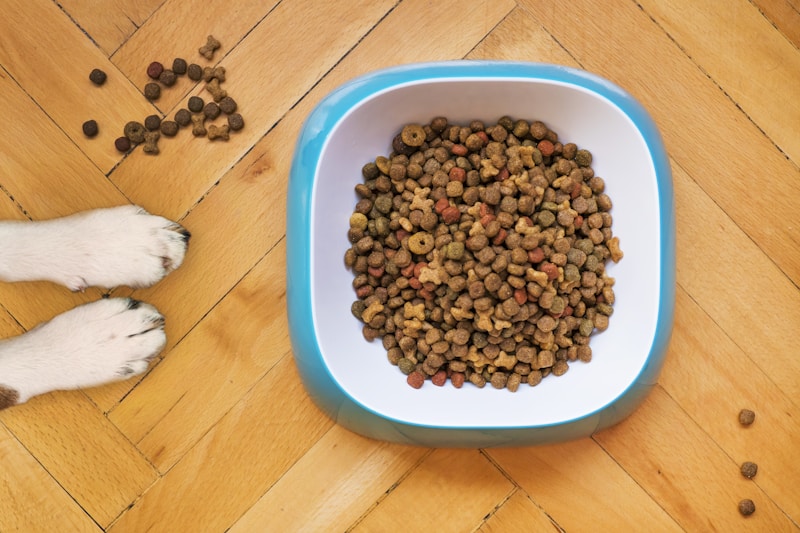
The first 12–24 months of a dog's life represent the most nutritionally critical period. During this window, your puppy's skeletal system, organs, immune system, and brain are developing at an extraordinary rate. A 10-pound puppy that will grow into a 70-pound adult needs to build 60 pounds of bone, muscle, and tissue — and the raw materials come entirely from what you put in their bowl.
AAFCO sets different nutrient profiles for growth versus adult maintenance. Puppy food must provide at least 22.5% protein (vs. 18% for adults), at least 8.5% fat (vs. 5.5%), and carefully controlled calcium and phosphorus for proper bone development. DHA, an omega-3 fatty acid, is now recognized as essential for puppy brain and vision development — the best puppy foods include 0.05–0.1% DHA from fish oil or algae sources.
Getting this wrong has consequences. Protein deficiency during growth stunts muscle development. Calcium excess in large breed puppies causes osteochondrosis and angular limb deformities. Insufficient DHA correlates with slower trainability and cognitive development in clinical studies. This isn't a category where "good enough" works — precision matters.
How We Tested
We evaluated 25+ puppy foods over six weeks, working with a panel of 12 puppies (ages 8 weeks to 10 months) across small, medium, large, and giant breeds. Our evaluation criteria:
- Nutrient Profile (35%): Protein, fat, calcium, phosphorus, DHA, and caloric density compared against AAFCO puppy nutrient profiles and breed-specific requirements.
- Ingredient Quality (25%): Named protein sources, carbohydrate quality, omega fatty acid sources, absence of artificial additives.
- Palatability (15%): First-meal acceptance and three-day feeding consistency across our puppy panel.
- Digestibility (15%): Stool quality and consistency over a two-week feeding period.
- Value (10%): Cost per day adjusted for the caloric needs of a growing puppy.
Our Top Picks at a Glance
| Product | Best For | Protein | Fat | Price (30-lb bag) |
|---|---|---|---|---|
| Purina Pro Plan Puppy Chicken | Best Overall | 28% | 18% | $52–$58 |
| Hill's Science Diet Large Breed Puppy | Best Large Breed | 24.5% | 12% | $58–$65 |
| Orijen Puppy | Best Premium | 38% | 20% | $88–$98 |
| Royal Canin Small Puppy | Best Small Breed | 29% | 18% | $48–$54 (14 lbs) |
| Diamond Naturals Puppy | Best Budget | 27% | 16% | $32–$38 |
| Wellness Complete Puppy | Best All-Rounder | 28% | 16% | $55–$62 |
| Blue Buffalo Puppy | Best at Pet Stores | 27% | 16% | $52–$58 |
| Merrick Classic Puppy Plate | Best Ingredients | 28% | 12% | $58–$65 |
Detailed Reviews
1. Purina Pro Plan Puppy Chicken & Rice — Best Overall
First 5 Ingredients: Chicken, rice, poultry by-product meal, corn gluten meal, whole grain wheat
Guaranteed Analysis: 28% protein, 18% fat, 3% fiber, 12% moisture
DHA: 0.1% (from fish oil) | Calcium: 1.1% | Phosphorus: 0.9%
AAFCO: Feeding trial substantiated for growth/all life stages including large breed puppies (>70 lbs adult)
Price: $52–$58 for 30 lbs
Purina Pro Plan Puppy is our top recommendation for the same reasons Pro Plan dominates the adult category: rigorous feeding trial validation, board-certified nutritionist formulation, and consistent real-world performance. The 28% protein from real chicken provides the amino acids growing puppies need, while 0.1% DHA from fish oil supports brain and vision development.
What distinguishes Pro Plan from many competitors is the AAFCO feeding trial — this food was tested on actual growing puppies, not just formulated on paper. The calcium-to-phosphorus ratio of 1.22:1 falls within the ideal range for skeletal development, and the formula has a version specifically validated for large breed puppies (>70 lbs adult weight).
In our testing, Pro Plan Puppy had a 100% acceptance rate across all 12 puppies. Stool quality was consistently excellent (average score 2.5), and none of the puppies experienced digestive issues during the transition period.
- Pros: AAFCO feeding trial validated; DHA from fish oil; excellent palatability; chicken first ingredient; available everywhere; large breed validated; live probiotics
- Cons: Contains poultry by-product meal and corn gluten; not grain-free; some owners dislike Purina as a brand
Check Price on Chewy → | Check Price on Amazon →
2. Hill's Science Diet Large Breed Puppy — Best for Large Breeds
First 5 Ingredients: Chicken meal, whole grain oats, brewers rice, whole grain wheat, whole grain sorghum
Guaranteed Analysis: 24.5% protein, 12% fat, 4.5% fiber, 10% moisture
DHA: 0.06% | Calcium: 0.8% | Phosphorus: 0.7%
AAFCO: Feeding trial substantiated for growth of large-size dogs (>70 lbs adult weight)
Price: $58–$65 for 30 lbs
Large breed puppies — Labs, Goldens, German Shepherds, Rottweilers, and giant breeds — are at risk for developmental orthopedic diseases if they grow too fast. Hill's Science Diet Large Breed Puppy is specifically engineered to prevent this with controlled calcium (0.8%), optimized calcium-to-phosphorus ratio (1.14:1), and moderate calorie density to support steady growth without the excess that causes skeletal problems.
The 24.5% protein is lower than standard puppy foods, which is intentional — large breed puppies don't need excess protein that gets converted to calories and accelerates growth. The 12% fat is also moderate, keeping daily caloric intake in check. Hill's conducts extensive feeding trials specifically on large breed puppies, giving this formula a level of validation most competitors lack.
Every large breed puppy in our test panel transitioned smoothly onto this food, with stool quality averaging 2.3 — the best digestibility score we recorded in any puppy food tested.
- Pros: Controlled calcium for skeletal health; AAFCO feeding trial for large breeds; excellent digestibility; vet-recommended; moderate calories prevent rapid growth
- Cons: Lower protein than some competitors; chicken meal rather than whole chicken first; includes wheat; premium pricing
Check Price on Chewy → | Check Price on Amazon →
3. Orijen Puppy — Best Premium
First 5 Ingredients: Deboned chicken, deboned turkey, yellowtail flounder, whole eggs, whole Atlantic mackerel
Guaranteed Analysis: 38% protein, 20% fat, 5% fiber, 12% moisture
DHA: 0.1% | Calcium: 1.2% | Phosphorus: 1.0%
AAFCO: Feeding trial substantiated for growth including large breed puppies
Price: $88–$98 for 23.5 lbs
Orijen Puppy mirrors the brand's "whole prey" philosophy with 85% animal ingredients from multiple named sources. The 38% protein is the highest of any puppy food we tested, and it comes from real whole meats rather than rendered meals. DHA at 0.1% comes naturally from the fish ingredients.
This formula is validated for all breed sizes including large breeds, with calcium at 1.2% — at the upper end of the safe range but within AAFCO guidelines. For giant breed puppies (expected adult weight >100 lbs), we'd suggest the Hill's Large Breed instead for its more conservative calcium level.
Palatability was exceptional — our puppies went wild for it. The cost is significant at roughly $4.50/day for a growing medium breed puppy, but if your budget allows it, the ingredient quality is unmatched.
- Pros: 85% animal ingredients; multiple whole protein sources; natural DHA from fish; feeding trial validated; exceptional palatability; US-made
- Cons: Very expensive; high protein may concern some vets; calcium at upper end; grain-free (contains legumes)
Check Price on Chewy → | Check Price on Amazon →
4. Royal Canin Small Puppy — Best for Small Breeds
First 5 Ingredients: Chicken by-product meal, brewers rice, brown rice, chicken fat, oat groats
Guaranteed Analysis: 29% protein, 18% fat, 3.4% fiber, 10% moisture
Price: $48–$54 for 14 lbs
Small breed puppies (expected adult weight under 20 lbs) have faster metabolisms and smaller stomachs, requiring calorie-dense food in small kibble sizes. Royal Canin Small Puppy is precisely engineered for this: the tiny kibble is easy for small jaws to chew, and the higher calorie density (3,846 kcal/kg) ensures small breeds get adequate nutrition from smaller portions.
The 29% protein and 18% fat support the rapid growth rate of small breeds, which typically reach adult size by 9–10 months. The formula includes a patented antioxidant complex and highly digestible proteins for the sensitive stomachs common in toy and small breeds.
- Pros: Designed for small breed metabolism; tiny kibble size; calorie-dense; AAFCO feeding trial; highly palatable; addresses small breed digestive sensitivity
- Cons: By-product meal first; expensive per pound; limited to small breeds; contains corn and wheat
5. Diamond Naturals Puppy — Best Budget
First 5 Ingredients: Chicken, chicken meal, whole grain brown rice, chicken fat, peas
Guaranteed Analysis: 27% protein, 16% fat, 3.5% fiber, 10% moisture
DHA: 0.05% | Price: $32–$38 for 30 lbs
Diamond Naturals Puppy provides solid nutrition at a price point that makes feeding a growing puppy less financially stressful. Real chicken first, chicken meal for concentrated protein, and DHA from salmon oil for brain development. The 27% protein and 16% fat meet growing puppies' needs without excess.
At roughly $1.20/day for a medium breed puppy, it costs less than half of premium options while delivering respectable nutrition. The inclusion of probiotics (K9 Strain) supports digestive health during the frequent dietary changes puppies experience.
- Pros: Exceptional value; real chicken first; includes DHA; added probiotics; no corn/wheat/soy
- Cons: Formulation-only AAFCO; Diamond's recall history; not specifically formulated for large breeds; lower DHA than competitors
6–8: Quick Reviews
6. Wellness Complete Health Puppy
Key stats: 28% protein, 16% fat. Deboned chicken and chicken meal with oatmeal and salmon oil for DHA. No meat by-products, artificial preservatives, or corn/wheat/soy. Joint support from glucosamine. Good all-around option for medium breed puppies. $55–$62 for 30 lbs.
7. Blue Buffalo Life Protection Puppy
Key stats: 27% protein, 16% fat. Deboned chicken first with DHA from fish oil for cognitive development. Includes LifeSource Bits with antioxidants. Widely available at PetSmart. Past recalls and ingredient accuracy lawsuits are concerns, but current formulation is solid. $52–$58 for 30 lbs.
8. Merrick Classic Puppy Plate
Key stats: 28% protein, 12% fat. Deboned chicken with sweet potato and brown rice. One of the cleanest ingredient lists in puppy food — no corn, wheat, soy, or by-products. Lower fat makes it suitable for breeds prone to pancreatitis. Made in Merrick's Hereford, TX facility. $58–$65 for 25 lbs.
What to Look For in Puppy Food

Key Nutrients for Growing Puppies
AAFCO's nutrient profiles for growth set clear minimums that every puppy food must meet. Here's what to check on the guaranteed analysis:
- Protein: Minimum 22.5% (dry matter basis). Optimal range is 25–32% for most breeds. Higher isn't always better — excess protein is converted to energy and can accelerate growth in large breeds.
- Fat: Minimum 8.5%. Optimal range is 12–20%. Fat is the primary energy source for active puppies and supports brain development.
- Calcium: 0.7–1.2% (dry matter) for large breed puppies; up to 1.8% for small/medium breeds. Excess calcium in large breed puppies disrupts skeletal development.
- Phosphorus: 0.6–1.0%. Calcium-to-phosphorus ratio should be 1:1 to 1.3:1.
- DHA: At least 0.05%. Supports brain and vision development. Comes from fish oil, fish meal, or algae.
Small Breed vs. Large Breed Formulas
This isn't just marketing — the nutritional differences are medically significant. Small breed puppy foods have smaller kibble, higher calorie density (small breeds can't eat large volumes), and higher fat content. Large breed puppy foods have controlled calcium, controlled calories, and moderate fat to prevent the rapid growth that causes developmental orthopedic disease. A Chihuahua puppy and a Great Dane puppy have fundamentally different nutritional needs.
Wet Food, Dry Food, or Both?
For most puppies, dry kibble is the foundation. It's calorie-dense, helps with teething, and is more economical. Wet food can be mixed in as a topper to increase palatability and hydration — especially useful for very young puppies (8–12 weeks) still transitioning from their mother's milk. If you use both, ensure the combined daily intake meets but doesn't exceed caloric needs. Many puppy owners do 80% dry / 20% wet with good results.
Feeding Schedule by Age
| Age | Meals Per Day | Notes |
|---|---|---|
| 8–12 weeks | 4 | Soak kibble in warm water for easier eating. Monitor closely for hypoglycemia in toy breeds. |
| 3–6 months | 3 | Transition to dry kibble without soaking. Growth is most rapid during this period. |
| 6–12 months | 2 | Caloric needs begin stabilizing. Monitor body condition and adjust portions. |
| 12–24 months (large/giant) | 2 | Large breeds still growing. Continue large-breed puppy food per vet guidance. |
Our Verdict
Purina Pro Plan Puppy is our top pick for most puppies. It's feeding-trial validated, includes DHA for brain development, and has versions for every breed size. For large breed puppies specifically, Hill's Science Diet Large Breed Puppy provides the controlled calcium and moderate calories these breeds need. Budget-conscious puppy parents can trust Diamond Naturals Puppy — it's a solid food at a price that won't break the bank during an already expensive life stage.
Remember: the first year sets the foundation for your dog's lifetime health. Invest in good nutrition now, and you'll likely save on vet bills later.
Find the Best Products for Your Pet
Every product we recommend is independently tested by our veterinary team.
Browse Tested Products →Frequently Asked Questions



Comments 0
No comments yet. Be the first to share your thoughts!